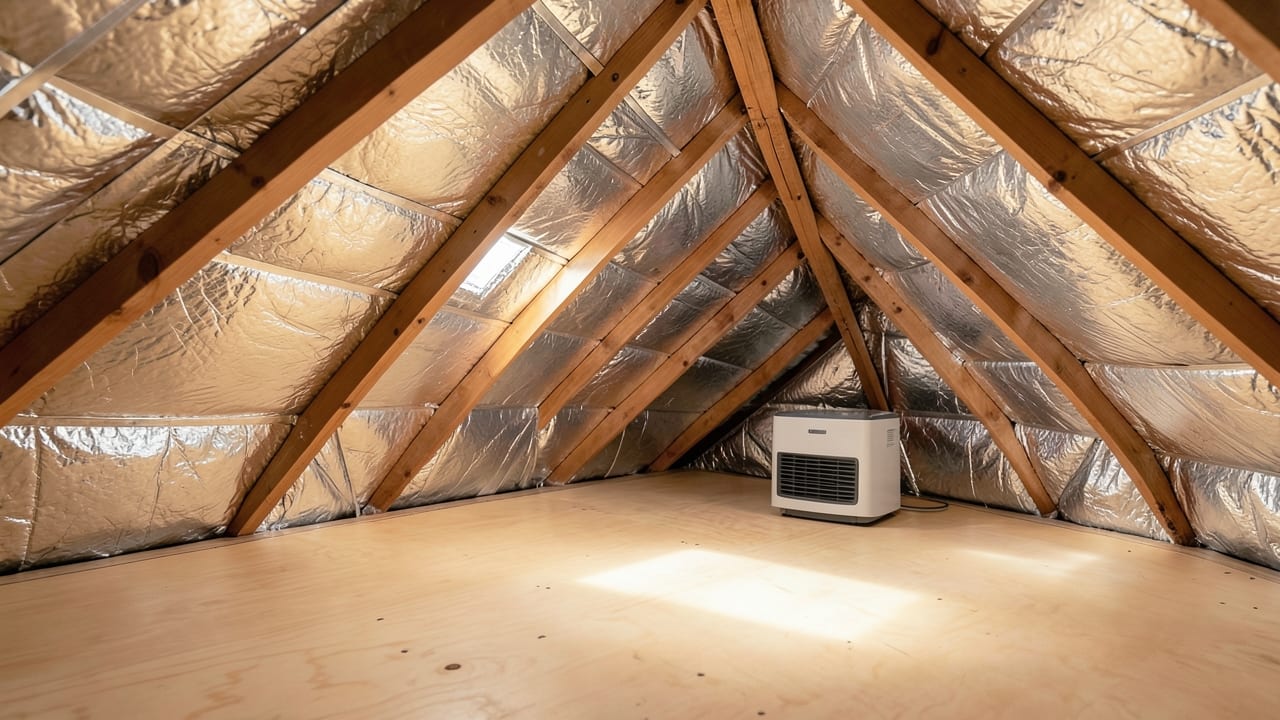
Pre-Winter Mold Prevention
Pre-winter mold prevention involves inspection and treatment to stop mold growth before cold weather.
As temperatures drop in Bridgewater, NJ, the risk of mold growth increases in damp, poorly ventilated spaces like attics, basements, and crawl spaces. Pre-winter mold prevention focuses on sealing leaks, improving airflow, and treating vulnerable areas before moisture buildup leads to hidden mold.
This proactive approach helps protect your home’s structural integrity and indoor air quality before the first frost.
We also handle Pantry Mold Treatment and Hallway Mold Remediation for Bridgewater properties.
When to act: signs you need pre-winter mold prevention
Visible mold growth is the clearest sign, but other indicators—like a musty smell, recurring dampness, or mold returning after cleaning—suggest a deeper issue. In Bridgewater’s humid climate, even small patches can spread quickly if moisture sources (like leaks or poor ventilation) aren’t addressed.
Ignoring these signs often leads to hidden growth behind walls or under flooring, where it’s harder and costlier to remediate later.
Rooms that stay damp year-round, such as windowless bathrooms or enclosed basements, are high-risk zones. A persistent musty odor—especially one that worsens when the HVAC runs—may signal mold in ductwork or hidden cavities.
If you’ve noticed any of these signs, pre-winter prevention can stop a small problem from becoming a larger, structural one.
Warning Signs of Mold in Your Home
- Mold covering more than a small, isolated patch (past DIY scale—typically over 25 contiguous square feet).
- A musty smell with no visible mold, especially in closets, basements, or near ducts.
- Damp spots or condensation that won’t dry, even after addressing the obvious leak.
- Mold returning in the same spot after cleaning, indicating the moisture source wasn’t fixed.
- Visible mold growth on porous materials like drywall, insulation, or carpet padding.
What affects cost and timeline?
The size of the affected area is the biggest factor in pricing and duration. Larger spaces or hidden mold (behind walls or under flooring) require more containment, removal, and drying time.
The type of mold also plays a role—black mold (Stachybotrys) often adds 15–25% to the cost due to stricter remediation protocols. Pre-winter prevention jobs are typically faster than full remediation because they focus on sealing leaks and applying treatments rather than removing extensive growth.
Accessibility matters too. Tight crawl spaces or basements with limited ventilation may require additional equipment, extending the job. Pre-winter work is best scheduled before the first frost, when humidity is still manageable and leaks are easier to identify before they worsen.
Waiting until winter risks trapping moisture indoors, making the problem harder to resolve.
Prevention vs. remediation: what’s the difference?
Pre-winter mold prevention targets *future* growth by fixing moisture sources—sealing leaks, improving ventilation, and treating surfaces before mold takes hold. Remediation, on the other hand, addresses *existing* mold through containment, removal, and drying.
Prevention is less invasive and often cheaper, but it requires action *before* mold appears. Skipping prevention after remediation is the most common reason mold returns within months.
For example, sealing a leaky pipe in your basement or installing a dehumidifier in a damp closet are preventive steps. If mold is already growing, remediation includes cutting out contaminated materials, HEPA vacuuming, and structural drying. Prevention avoids the need for remediation entirely—but only if moisture issues are caught early.
Removing mold without fixing the leak, condensation, or poor airflow that caused it leaves the same materials exposed to moisture. The result? Regrowth in the same spot within months. Pre-winter prevention starts with identifying and sealing these sources.
How pre-winter mold prevention works
This process focuses on sealing leaks, improving airflow, and treating high-risk areas before cold weather traps moisture indoors.
- 1Inspect for Moisture Sources
A thorough check for leaks, condensation, or poor ventilation in attics, basements, and crawl spaces identifies where mold is likely to form. Common issues include dripping pipes, improper grading (soil sloping toward the foundation), or blocked vents.
- 2Seal Leaks and Improve Airflow
Gaps around windows, doors, and utility lines are sealed with caulk or foam. Ventilation is enhanced with fans, dehumidifiers, or adjusted HVAC settings to reduce humidity in stagnant areas like closets or windowless bathrooms.
- 3Apply Preventive Treatments
Surfaces prone to mold—such as subflooring, drywall seams, or basement walls—are treated with antimicrobial sealants. These create a barrier that discourages mold growth even if minor moisture remains.
- 4Monitor and Maintain
After treatment, humidity levels in high-risk rooms are checked periodically (especially during the first year) to catch early signs of recurrence. Small fans or dehumidifiers may be recommended for persistently damp areas.
Frequently asked questions
My basement smells musty, but I don’t see any mold. Should I still be concerned?
Yes—a musty odor often signals hidden mold behind walls, under flooring, or inside ductwork. Pre-winter prevention can include inspecting these areas and sealing leaks or improving airflow to prevent growth before it becomes visible. Ignoring the smell risks mold spreading undetected.
I’ve tried cleaning small mold patches myself, but it keeps coming back. What’s the issue?
Recurring mold usually means the moisture source (like a leak or condensation) wasn’t fixed. Cleaning alone removes the symptom, not the cause. Pre-winter prevention focuses on addressing these underlying issues to stop regrowth.
How long does pre-winter mold prevention take for a typical Bridgewater home?
For most homes, the process takes 1–3 days, depending on the size of the area and the number of moisture sources. Jobs are scheduled before the first frost to allow time for treatments to fully take effect and for any necessary repairs (like sealing leaks) to be completed.
Do I need to be home during the prevention process?
Not always—many steps, like sealing leaks or applying treatments, can be done without you present. However, access to high-risk areas (like attics or crawl spaces) may require your assistance. A crew will confirm this during the initial inspection.
See The Hills, NJ for more, or check out the rest of our Bridgewater lineup by category for our complete lineup.
Ready to get started?
Talk to a local mold remediation pro in Bridgewater — get a written quote.
Other Mold Remediation Services in Bridgewater
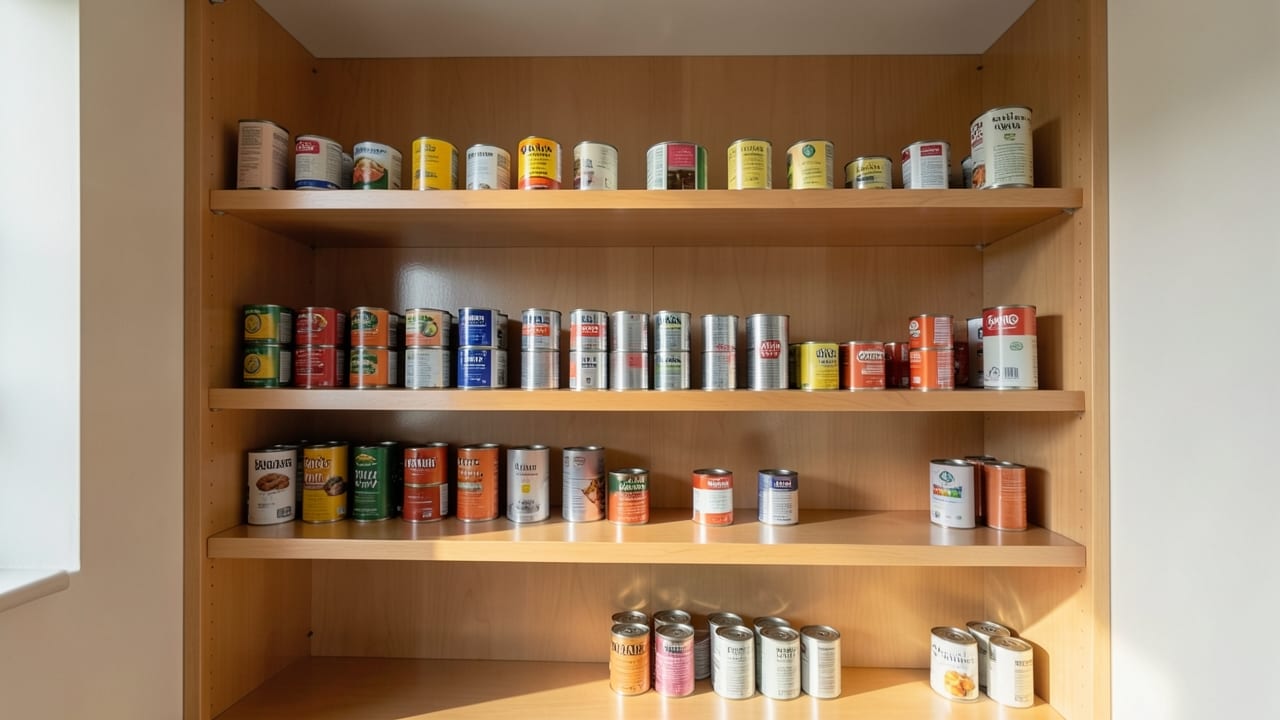
Pantry Mold Treatment in Bridgewater, NJ
Professional assessment and removal of mold in pantry areas to restore a safe, clean space.
Learn More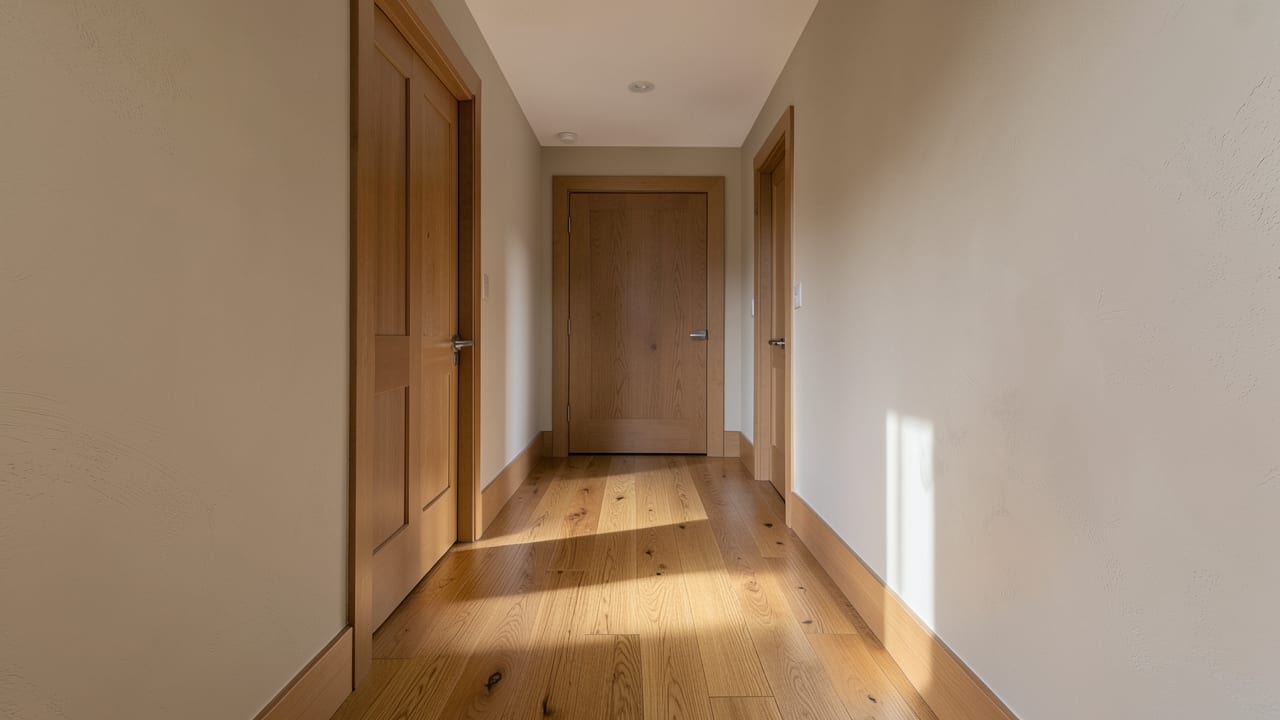
Hallway Mold Remediation in Bridgewater, NJ
Professional removal and treatment of mold growth in residential hallways.
Learn More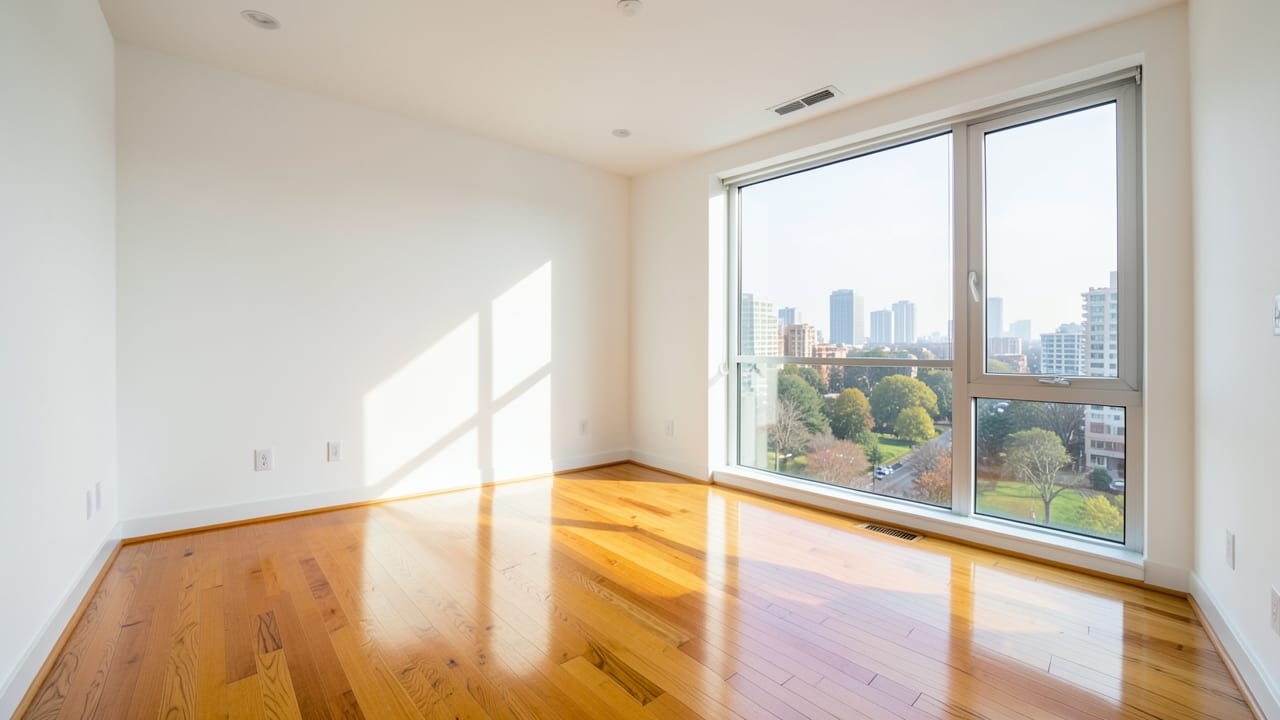
Condo Mold Remediation in Bridgewater, NJ
Professional removal and treatment of mold in condominiums to restore safe, healthy living spaces.
Learn More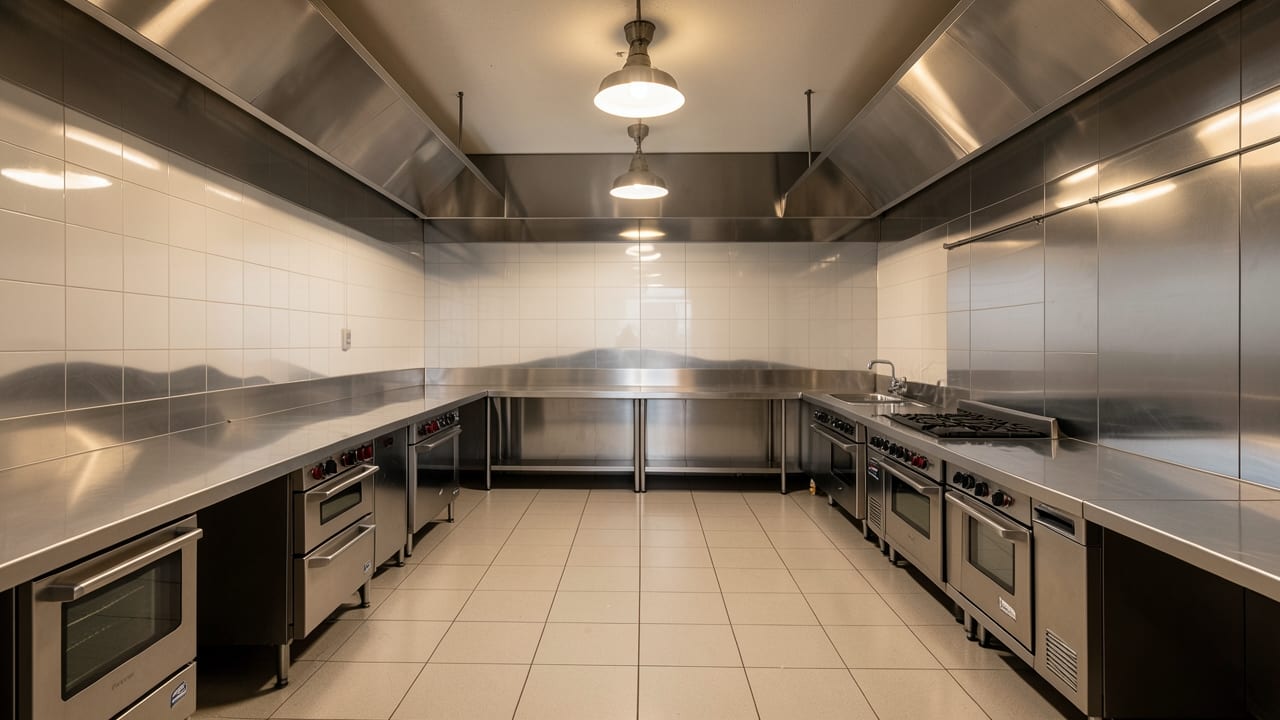
Restaurant Mold Remediation in Bridgewater, NJ
Professional mold removal and remediation for restaurant spaces to ensure safety and compliance.
Learn More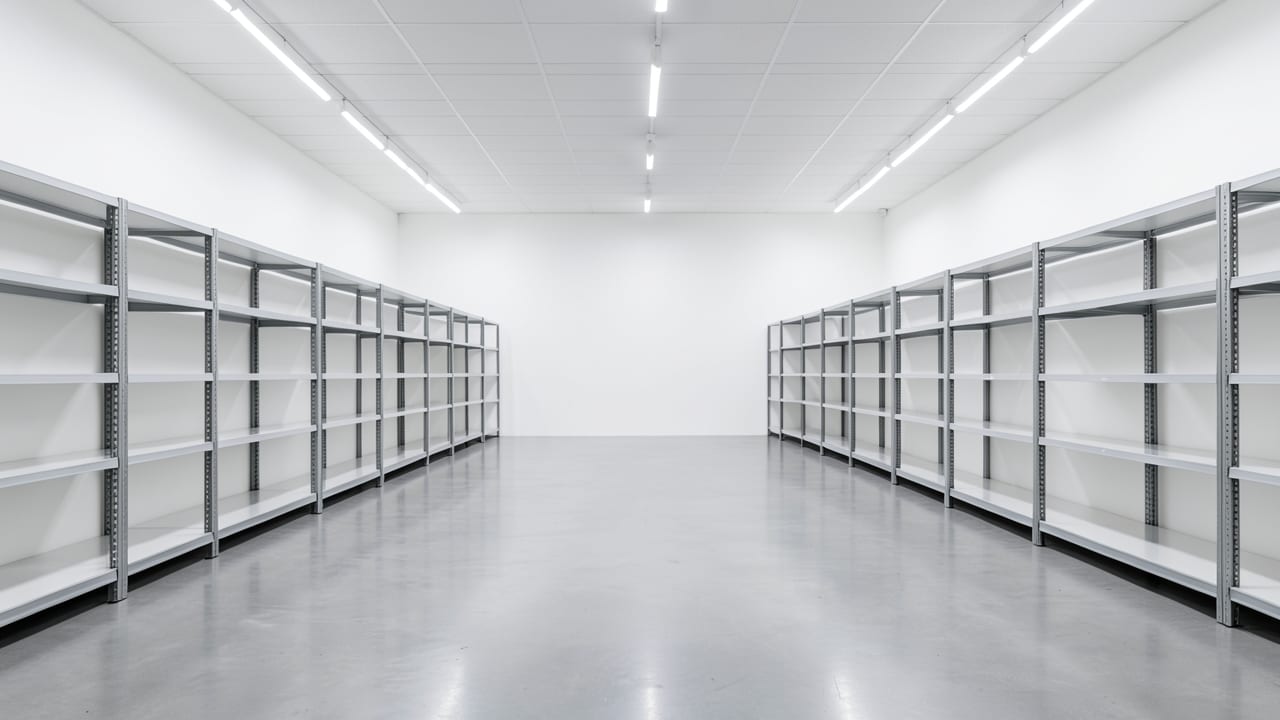
Retail Store Mold Remediation in Bridgewater, NJ
Professional mold removal and remediation for retail stores to restore safe, clean environments.
Learn More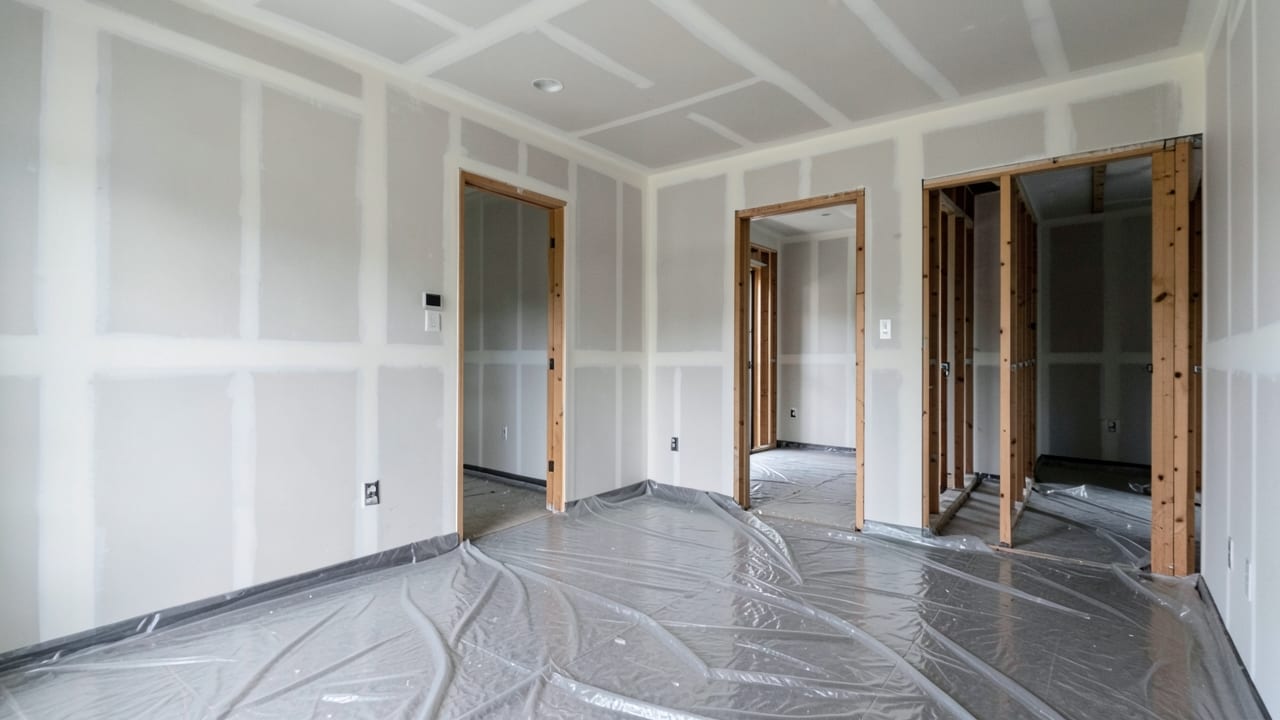
New Construction Mold Remediation in Bridgewater, NJ
Professional mold removal and prevention in newly built homes to ensure safe, clean living spaces.
Learn MoreCommon Questions About Mold Remediation in Bridgewater
Everything you need to know about mold remediation services in Bridgewater
How much does Pre-Winter Mold Prevention typically cost in Bridgewater, NJ?
Why does Bridgewater, NJ's humidity make mold a bigger risk than in drier regions?
Is it safe to stay in the home during mold remediation?
Can small mold problems be handled without hiring anyone?
What's the actual difference between mold removal and mold remediation?
Is a final clearance test part of a typical mold remediation job?
Need Mold Remediation in Bridgewater?
Connect with local providers in Bridgewater for a detailed quote.
⏰ We answer your call • Serving all of Bridgewater and surrounding areas