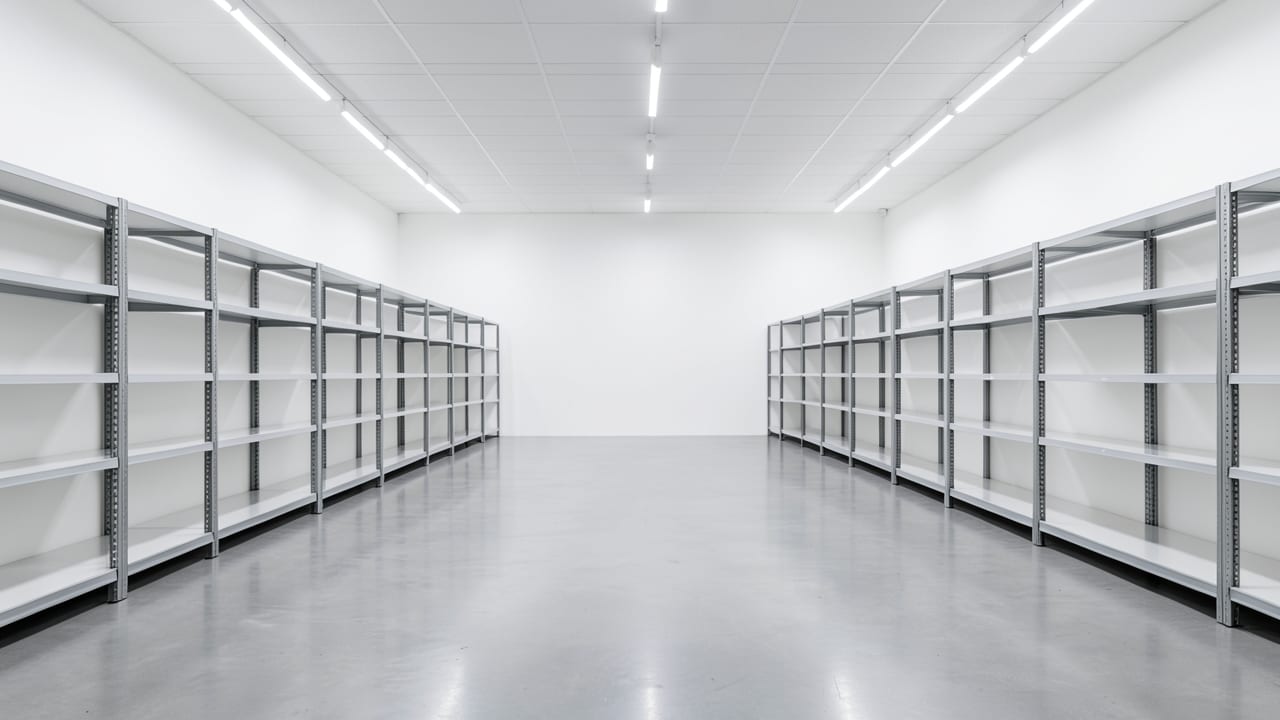
Retail Store Mold Remediation
Professional mold removal and remediation for retail stores to restore safe, clean environments.
Mold remediation in Bridgewater, NJ, focuses on safely removing mold growth from homes and addressing the moisture issues that cause it. Professional remediation includes containment, removal of contaminated materials, structural drying, and clearance testing to ensure spores are controlled and air quality is restored.
When mold remediation is needed
Mold growth beyond a small, isolated patch—typically over 25 square feet—often signals the need for professional remediation. Recurring mold in the same spot after cleaning usually means the moisture source, like a leak or high humidity, hasn’t been fixed.
We also handle Mold Prevention & Moisture Control and Mold & Asbestos Testing for Bridgewater properties.
A musty smell with no visible mold can indicate hidden growth, especially if the odor worsens when the HVAC system runs.
Rooms that stay damp, like windowless bathrooms or basements, are prone to mold. If you notice condensation on walls, water stains, or mold spreading despite cleaning, it’s time to address the underlying moisture issue. Ignoring these signs can lead to deeper contamination and higher remediation costs.
Signs You Need Mold Remediation
- Mold covering more than 25 square feet in a single area
- Recurring mold growth after cleaning the same spot
- A musty smell with no visible mold, especially near HVAC vents
- Visible mold in multiple rooms or hidden behind walls, floors, or ceilings
- Condensation, water stains, or persistent dampness in a room
How mold remediation affects your home
Professional remediation involves sealing off the affected area to prevent spores from spreading, removing contaminated materials like drywall or insulation, and cleaning non-porous surfaces. Industrial dehumidifiers and air movers dry structural components to prevent regrowth, while HEPA filtration ensures spores are captured, not recirculated.
The process also includes clearance testing by an independent lab to confirm spore levels are safe. Without fixing the moisture source—such as leaks, poor ventilation, or grading issues—the mold may return. Post-remediation, monitoring humidity and airflow in previously affected areas helps maintain results.
What to watch for in a remediation provider
Not all remediation providers follow the same standards. Look for a written scope of work, proper containment, HEPA filtration, and clearance testing by an independent lab. Avoid quotes that exclude inspection, testing, or documentation—these are critical steps to ensure the job is thorough.
Red flags include verbal-only estimates, pressure to sign contracts immediately, or upfront payment demands. A reputable provider will verify their Home Improvement Contractor (HIC) registration with New Jersey’s Division of Consumer Affairs, as required by state law.
| Red Flag | Why It Matters |
|---|---|
| No written scope of work | Lacks transparency; hard to compare bids or hold the provider accountable |
| No mention of clearance testing | No independent confirmation that spores are fully removed |
| Pressure to sign during the inspection visit | Rushes decision-making; legitimate scopes take time to prepare |
| Full payment before work starts | Removes leverage if the job isn’t completed as promised |
How mold remediation works
- 1Containment
The affected area is sealed with plastic sheeting and negative-air machines to trap spores during removal, preventing them from spreading to other parts of the home.
- 2Removal
Porous materials like drywall or carpet padding, which absorb mold, are cut out and bagged inside containment. Non-porous surfaces like tile or metal framing are scrubbed and treated.
- 3Structural Drying
Industrial dehumidifiers and air movers reduce moisture in framing and subfloors to prevent mold from regrowing after visible traces are removed.
- 4HEPA Filtration
HEPA air scrubbers and vacuums run continuously to capture spores, unlike standard equipment, which can recirculate them into the air.
- 5Clearance Testing
An independent lab tests air or surfaces post-remediation to confirm spore levels are within normal ranges before containment is removed.
Frequently asked questions
Can I clean small mold patches myself, or do I need a professional?
Small, isolated patches (under 25 square feet) can often be cleaned with detergent and water, but hidden mold or recurring growth usually requires professional remediation to address moisture sources and prevent spread.
How long does mold remediation typically take?
The duration depends on the size of the affected area and the extent of contamination. Containment, removal, drying, and testing can span several days to over a week for larger or complex issues.
Will mold come back if the moisture source isn’t fixed?
Yes. Removing mold without addressing leaks, poor ventilation, or humidity issues leaves materials vulnerable to regrowth. Fixing the moisture source is critical to long-term results.
Do I need to leave my home during remediation?
It depends on the scope. Some projects allow you to stay in unaffected areas, while others may require temporary relocation for safety, especially if containment is extensive or airborne spores are a concern.
See Oldwick, NJ for more, or take a look at how our Bridgewater crew can help before booking for our complete lineup.
Ready to get started?
Talk to a local mold remediation pro in Bridgewater — get a written quote.
Other Mold Remediation Services in Bridgewater
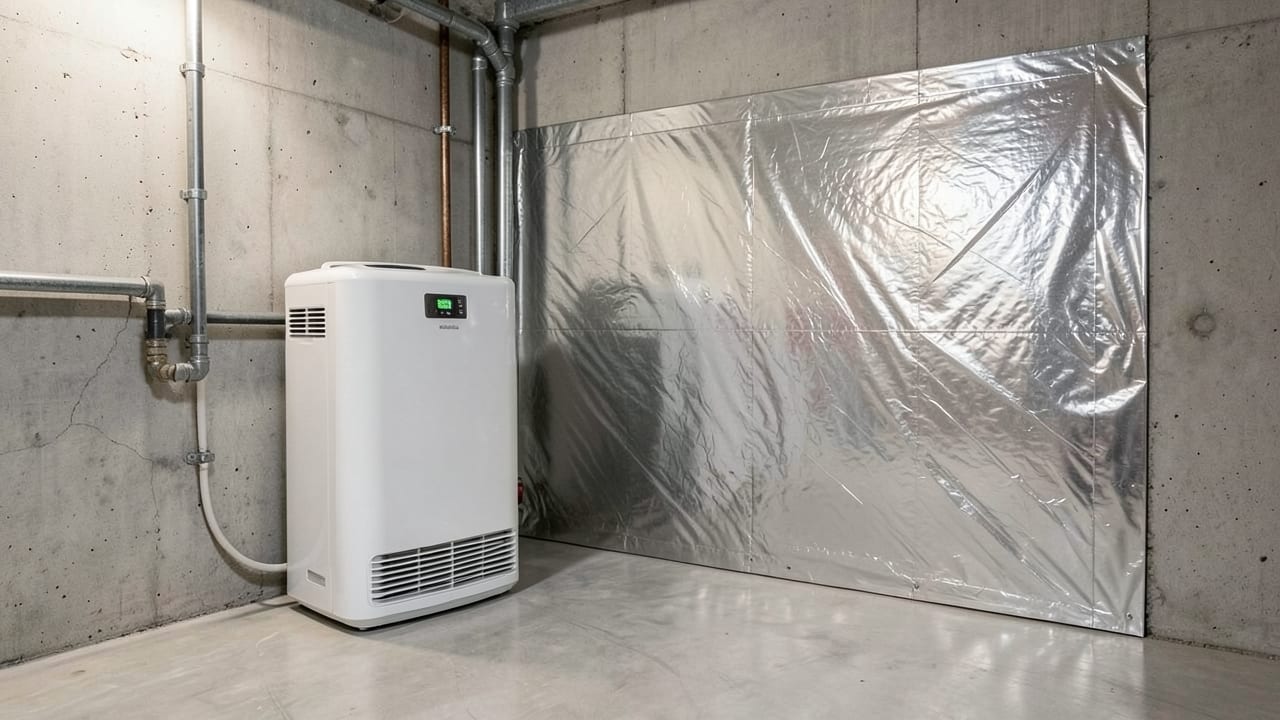
Mold Prevention & Moisture Control in Bridgewater, NJ
Mold prevention and moisture control in Bridgewater, NJ — addressing ventilation, humidity, and drainage before growth starts, not after.
Learn More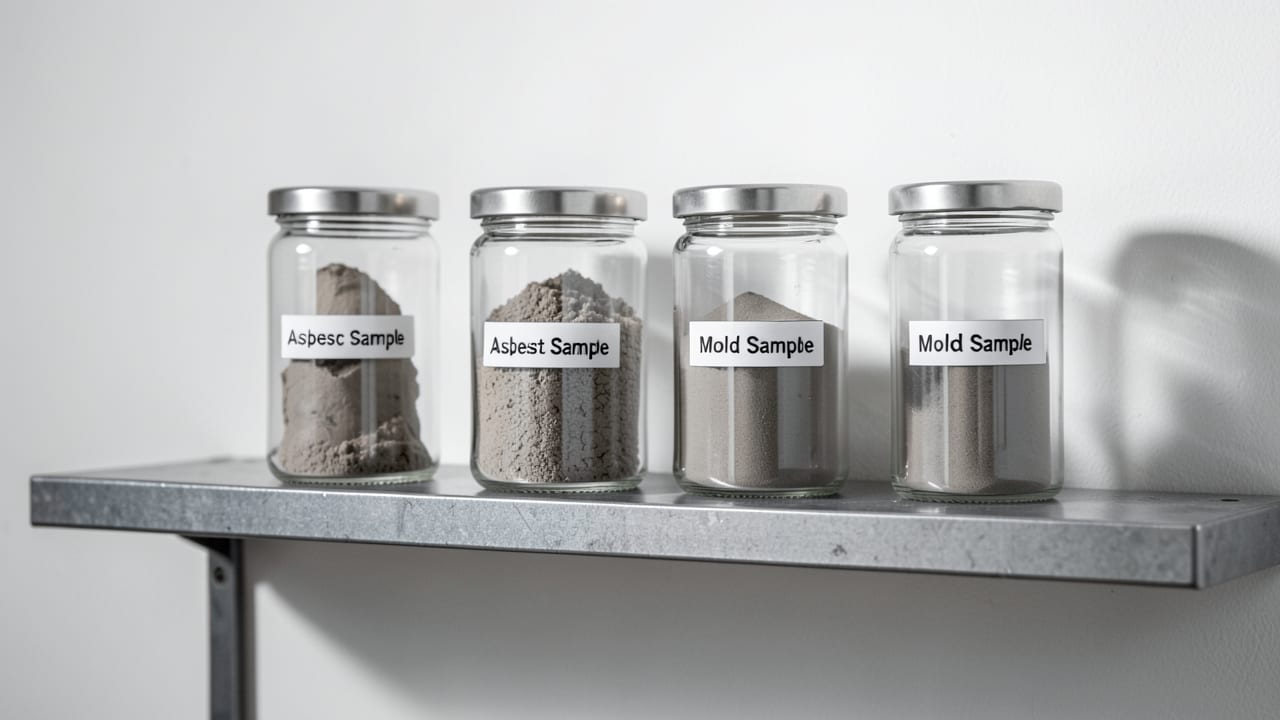
Mold & Asbestos Testing in Bridgewater, NJ
Combined mold and asbestos testing in Bridgewater, NJ — one inspection visit, lab-verified results for both.
Learn More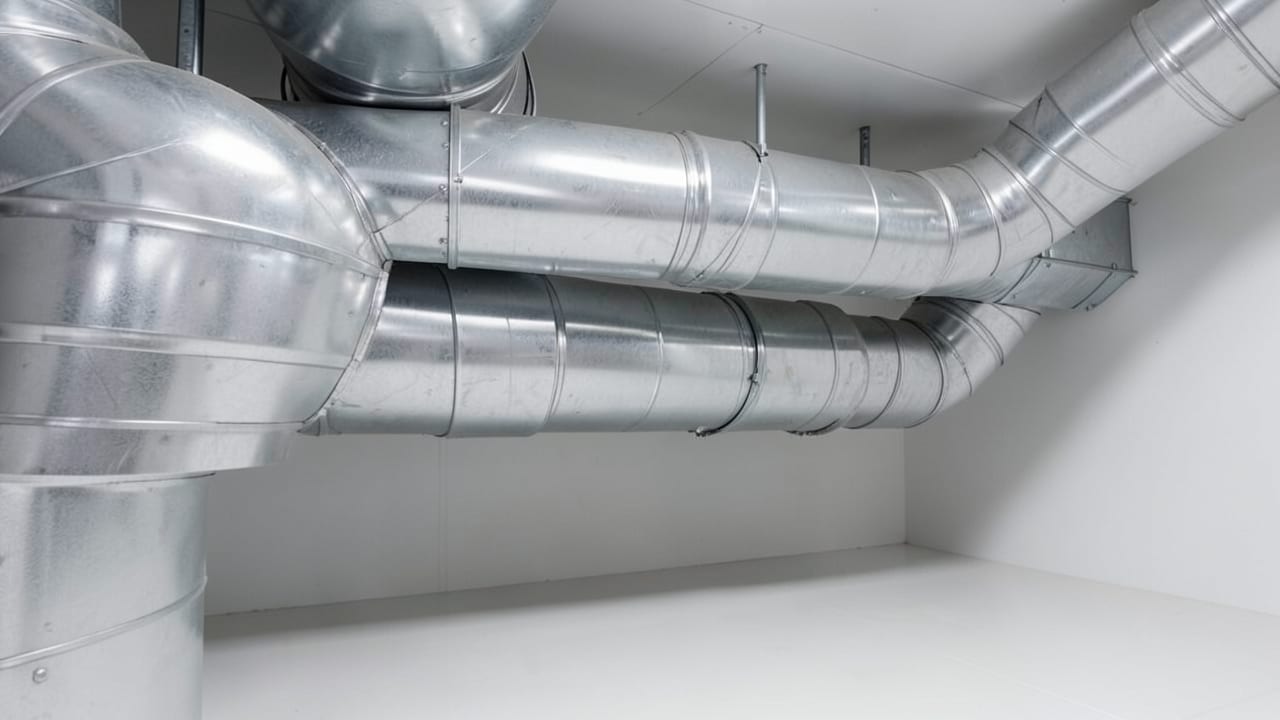
HVAC Mold Remediation in Bridgewater, NJ
HVAC and ductwork mold remediation in Bridgewater, NJ — mold growing inside the air handler or duct system, spreading through every vent.
Learn More
Drywall Mold Remediation in Bridgewater, NJ
Professional removal and treatment of mold growth behind or on drywall surfaces.
Learn More
Carpet Mold Treatment in Bridgewater, NJ
Professional assessment and removal of mold growth from carpets to restore a safe indoor environment.
Learn More
Concrete Mold Remediation in Bridgewater, NJ
Professional removal and treatment of mold from concrete surfaces in homes.
Learn MoreCommon Questions About Mold Remediation in Bridgewater
Everything you need to know about mold remediation services in Bridgewater
How much does Retail Store Mold Remediation typically cost in Bridgewater, NJ?
Why does Bridgewater, NJ's humidity make mold a bigger risk than in drier regions?
How long does a typical mold remediation job take?
Is it safe to stay in the home during mold remediation?
Can small mold problems be handled without hiring anyone?
What's the actual difference between mold removal and mold remediation?
Need Mold Remediation in Bridgewater?
Connect with local providers in Bridgewater for a detailed quote.
⏰ We answer your call • Serving all of Bridgewater and surrounding areas