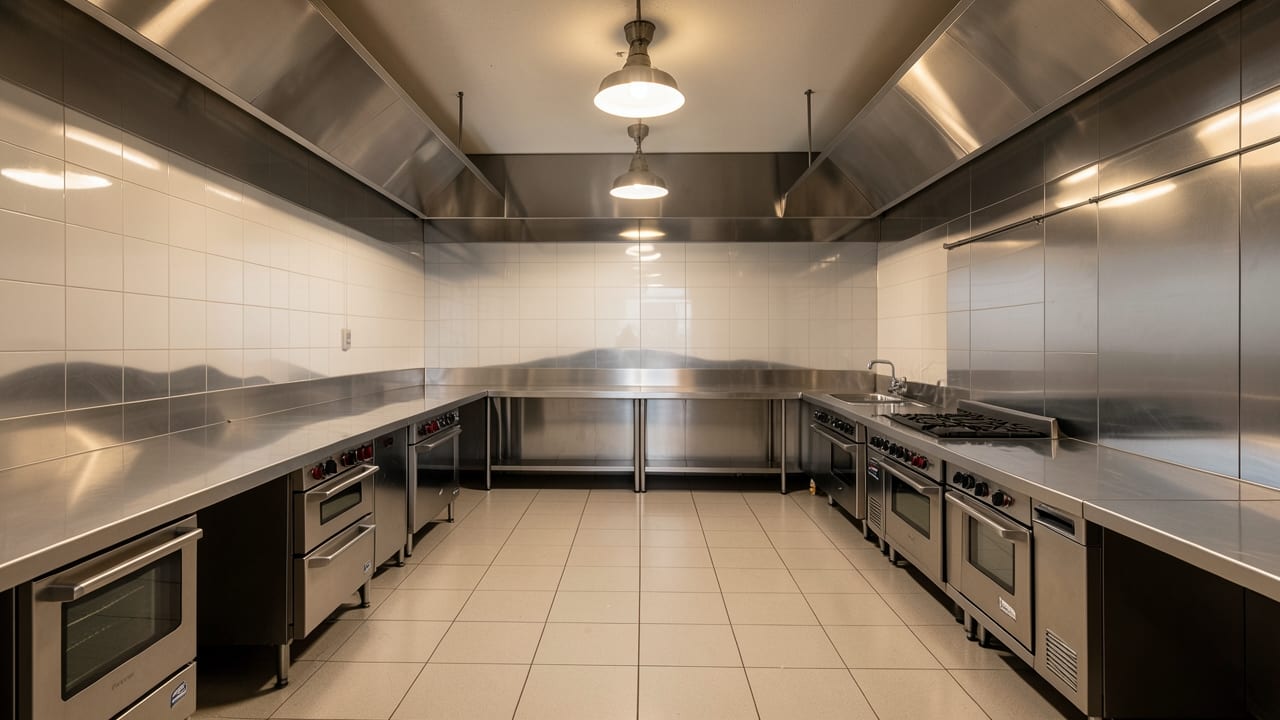
Restaurant Mold Remediation
Professional mold removal and remediation for restaurant spaces to ensure safety and compliance.
In Bridgewater, NJ, mold remediation for restaurants and similar food-service spaces requires specialized techniques to address hidden growth in kitchens, storage, and dining areas. Moisture-prone zones—like behind equipment, under sinks, and in ventilation—often harbor mold that standard cleaning can’t remove.
A professional approach uses containment, HEPA filtration, and moisture control to restore a safe environment and prevent recurrence.
We also handle HVAC Mold Remediation and Drywall Mold Remediation for Bridgewater properties.
When to call for help
Mold in a restaurant or food-service space often hides behind walls, under floors, or inside ductwork, making it harder to spot than in a home. Visible signs like recurring growth after cleaning, musty odors with no visible mold, or dampness in enclosed areas (closets, windowless rooms) are key indicators.
If mold covers more than a small patch or keeps returning, professional remediation is typically needed to address the root moisture issue and prevent spread.
A strong musty smell that worsens when the HVAC runs suggests ductwork contamination, while visible mold in multiple rooms or behind equipment signals deeper structural involvement. Without fixing the moisture source, remediation may only be temporary.
In New Jersey, any work beyond a small, isolated patch is best handled by a licensed Home Improvement Contractor (HIC), registered with the state.
Signs You May Need Professional Mold Remediation
- Mold covering more than a few square feet in one area (New Jersey considers 25+ contiguous sq. ft. beyond DIY scope).
- Recurring mold growth in the same spot after cleaning, indicating an unresolved moisture issue.
- Musty odors with no visible mold, especially when HVAC is running (possible ductwork contamination).
- Dampness in enclosed spaces (e.g., walk-in freezers, storage closets, windowless rooms) that doesn’t dry on its own.
- Visible mold behind kitchen equipment, under sinks, or in ventilation systems—areas where moisture lingers.
What affects cost and timeline
Restaurant mold remediation in Bridgewater is typically priced per project rather than by square footage, as the scope varies widely. Factors like containment requirements, equipment access, and whether the space can remain operational during work influence the total cost.
Stricter protocols in food-service areas (e.g., sealing off kitchen zones to prevent cross-contamination) add time and labor.
Hidden mold behind walls or under floors may require demolition and structural drying, extending the project. Clearance testing—an independent air or surface sample to confirm spore levels are safe—is often billed separately and is critical for verifying the work.
Without it, there’s no way to confirm whether the mold has been fully addressed.
Common mistakes to avoid
Skipping containment—such as sealing off the work area with plastic sheeting and negative-air machines—allows spores to spread to unaffected parts of the property. Without proper containment, a small job can quickly become much larger.
Similarly, using non-HEPA vacuums or air scrubbers recirculates spores instead of capturing them, undermining the entire process.
Fixing the visible mold without addressing the moisture source (leaks, condensation, poor ventilation) ensures the problem will return. Post-remediation, monitoring humidity in previously affected areas and using dehumidifiers or fans in persistently damp spaces helps prevent regrowth.
Always confirm the contractor is registered as a New Jersey Home Improvement Contractor (HIC) to meet state requirements.
Avoid estimates that exclude inspection, containment, or clearance testing—these are essential steps. Beware of bids significantly lower than others for the same square footage, as cutting corners on containment or filtration can lead to hidden costs later. Never pay in full before work begins, and ensure the contract includes a written scope of work to prevent unexpected charges.
How restaurant mold remediation works
Professional remediation follows a structured process to safely remove mold and prevent its return.
- 1Containment Setup
Plastic sheeting and negative-air machines seal the affected area, creating a controlled zone to prevent spores from spreading during removal. This step is critical in food-service spaces to avoid cross-contamination.
- 2Material Removal or Cleaning
Porous materials like drywall or insulation, which absorb mold, are cut out and bagged. Non-porous surfaces (e.g., metal framing, tile) are scrubbed and treated with antimicrobial solutions to kill remaining spores.
- 3HEPA Filtration and Drying
HEPA air scrubbers run continuously to capture airborne spores, while industrial dehumidifiers and air movers dry structural materials to prevent moisture-related regrowth. This step ensures the space is fully dry before reassembly.
- 4Clearance Testing
An independent lab tests air or surface samples to confirm spore levels are back to normal before containment is removed. This step verifies the remediation was effective and the area is safe to reoccupy.
- 5Moisture Source Repair
Fixing leaks, improving ventilation, or adjusting humidity in damp areas helps prevent future mold. Post-remediation monitoring, such as checking humidity levels, can catch early signs of recurrence.
Frequently asked questions
How do I know if the mold in my kitchen is serious enough to need professional help?
If mold covers more than a small patch, keeps returning after cleaning, or you notice a musty smell with no visible growth, it’s likely time for professional remediation. Hidden mold behind walls or in ductwork also requires expert assessment to avoid spread.
Will the remediation process disrupt my kitchen’s operations?
Containment measures are designed to minimize disruption, but some work may require closing off affected areas. Discuss scheduling with the contractor to align with your business hours and ensure food safety protocols are followed.
How long does it take to complete the remediation, and what affects the timeline?
Timelines vary based on the scope—hidden mold or structural drying can extend the process. Containment setup, HEPA filtration, and clearance testing add time, especially in larger or complex spaces.
Do I need to be present during the remediation, or can the contractor handle it independently?
While you’re not required to be on-site, providing access to moisture sources (e.g., leak locations) and confirming the work area helps ensure nothing is overlooked. Clear communication with the contractor is key.
See South Bound Brook, NJ for more, or take a look at what we cover for Bridgewater properties on a single page for our complete lineup.
Ready to get started?
Talk to a local mold remediation pro in Bridgewater — get a written quote.
Other Mold Remediation Services in Bridgewater
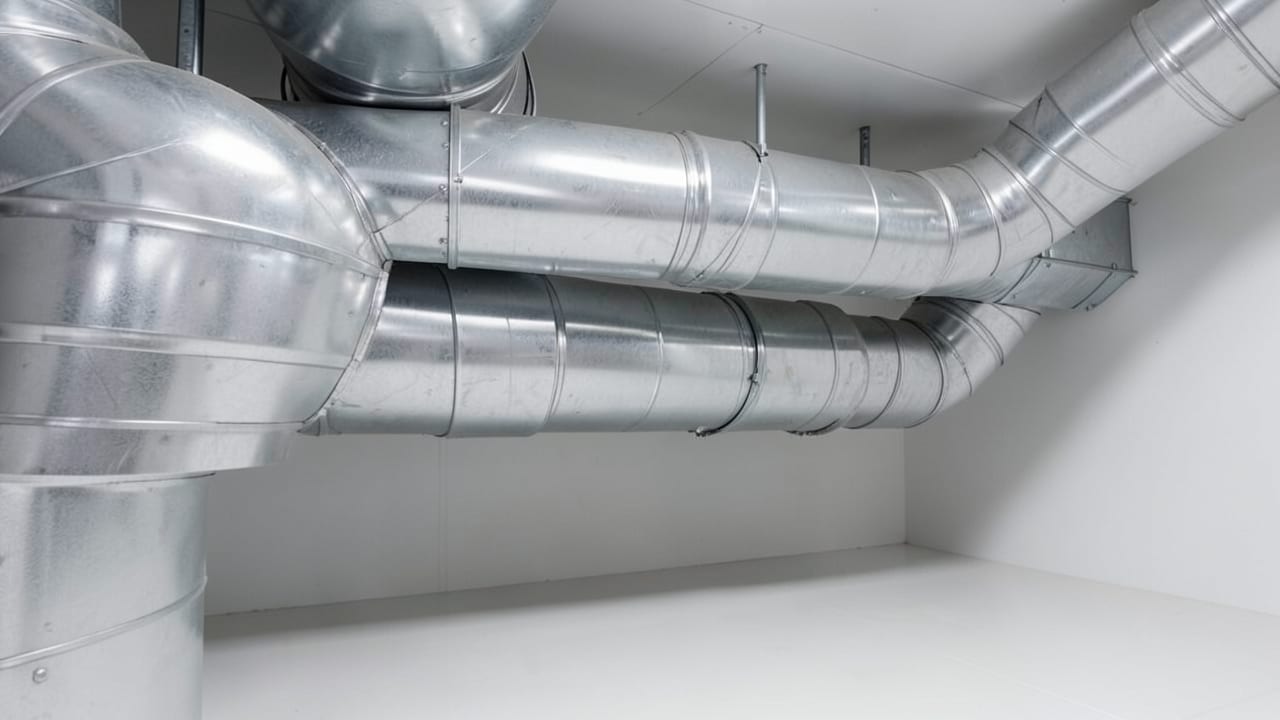
HVAC Mold Remediation in Bridgewater, NJ
HVAC and ductwork mold remediation in Bridgewater, NJ — mold growing inside the air handler or duct system, spreading through every vent.
Learn More
Drywall Mold Remediation in Bridgewater, NJ
Professional removal and treatment of mold growth behind or on drywall surfaces.
Learn More
Carpet Mold Treatment in Bridgewater, NJ
Professional assessment and removal of mold growth from carpets to restore a safe indoor environment.
Learn More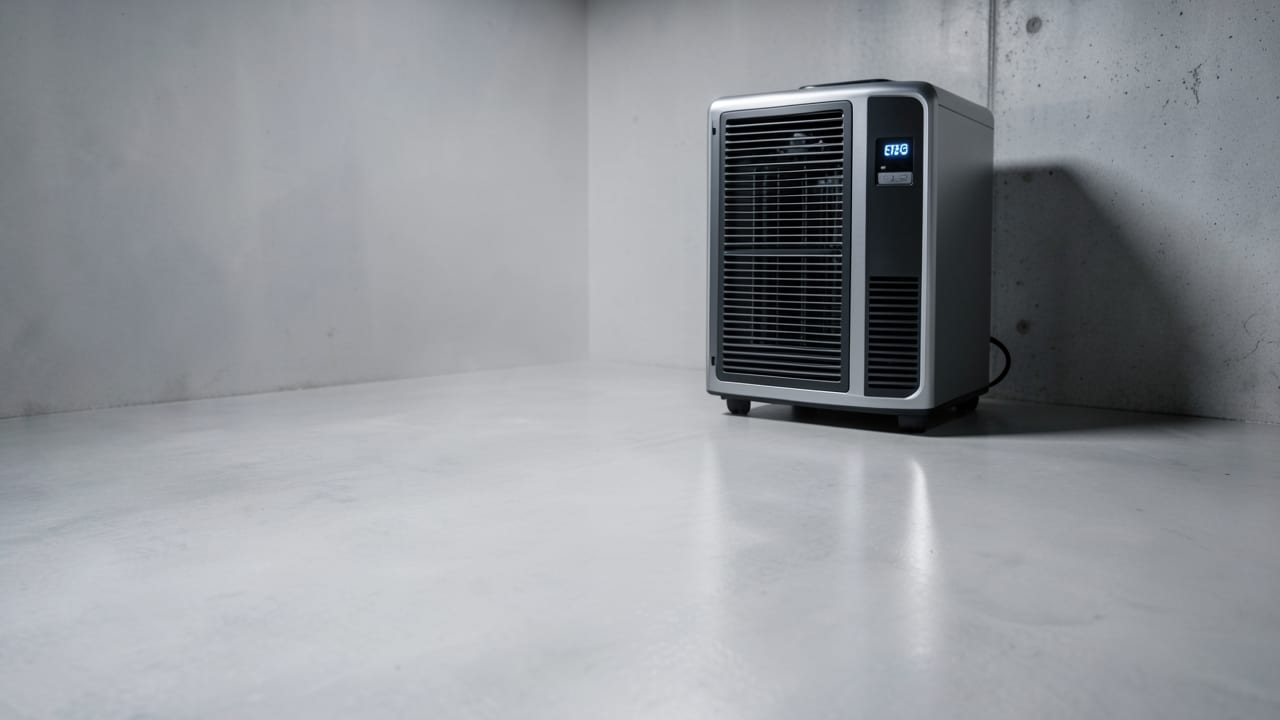
Concrete Mold Remediation in Bridgewater, NJ
Professional removal and treatment of mold from concrete surfaces in homes.
Learn More
Laundry Room Mold Cleanup in Bridgewater, NJ
Professional mold removal and remediation in laundry rooms to restore a safe, clean space.
Learn More
Plaster Mold Remediation in Bridgewater, NJ
Professional removal and treatment of mold from plaster surfaces in homes.
Learn MoreCommon Questions About Mold Remediation in Bridgewater
Everything you need to know about mold remediation services in Bridgewater
How much does Restaurant Mold Remediation typically cost in Bridgewater, NJ?
Why does Bridgewater, NJ's humidity make mold a bigger risk than in drier regions?
Can small mold problems be handled without hiring anyone?
What's the actual difference between mold removal and mold remediation?
Is a final clearance test part of a typical mold remediation job?
How does mold remediation actually prevent the problem from coming back?
Need Mold Remediation in Bridgewater?
Connect with local providers in Bridgewater for a detailed quote.
⏰ We answer your call • Serving all of Bridgewater and surrounding areas