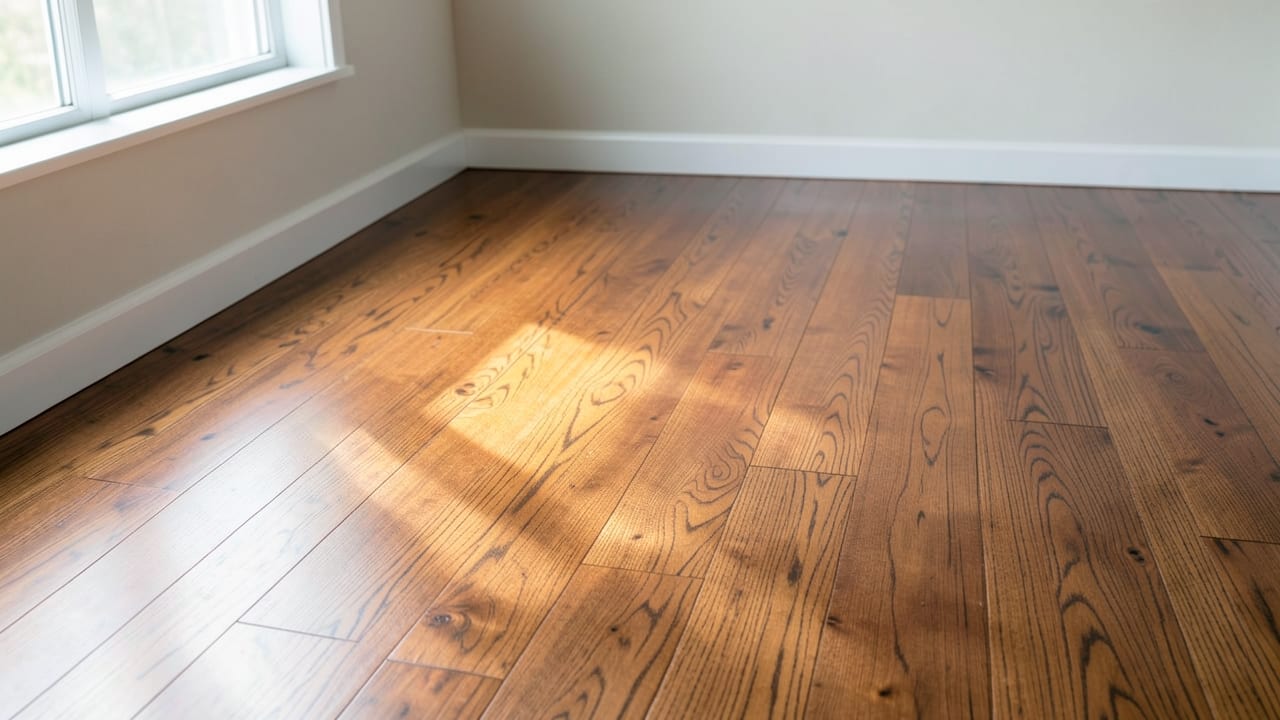
Flood Damage Mold Remediation
Professional mold removal and remediation after flood damage in homes.
When flood damage leaves hidden mold in your Bridgewater home’s walls, floors, or basement, proper remediation is critical to prevent health risks and structural damage. This process involves sealing the affected area, removing contaminated materials, and treating surfaces to stop regrowth—while ensuring spores don’t spread to unaffected spaces.
Flood-related mold often requires professional intervention due to its scale and hidden growth patterns, especially in areas like basements or behind drywall where moisture lingers.
We also handle Metal Ductwork Mold Remediation and Stairwell Mold Remediation for Bridgewater properties.
When to call for help
Mold growth after a flood often starts small but spreads quickly in hidden areas. If you notice mold covering more than a few square feet, returning after cleaning, or accompanied by a musty smell—especially when the HVAC runs—it’s likely time for professional remediation.
DIY methods can miss hidden spores or fail to address moisture sources, leading to recurring issues. In New Jersey, any mold remediation work must be performed by a registered Home Improvement Contractor (HIC), ensuring proper containment and safety protocols are followed.
A persistent damp smell, visible mold in multiple rooms, or growth that reappears after cleaning are clear signs the problem is beyond surface-level fixes. Floodwater often saturates porous materials like drywall and insulation, making them breeding grounds for mold.
Without professional removal and drying, spores can spread through your home’s air and HVAC system, turning a small issue into a widespread one.
Signs You Need Flood Damage Mold Remediation
- Mold covers more than 25 contiguous square feet (a common threshold for professional work).
- Growth returns within weeks after cleaning, indicating the moisture source wasn’t fixed.
- A musty odor lingers even after visible mold is gone, suggesting hidden growth in walls or ducts.
- Mold appears in multiple rooms or spreads quickly after a flood, indicating widespread contamination.
What affects cost and timeline
The cost of flood damage mold remediation in Bridgewater depends on the size of the affected area, the type of materials involved, and whether the mold is black mold (which often requires more extensive treatment).
Pricing also varies based on whether containment, air scrubbing, and clearance testing are included. A typical job ranges widely, but hidden moisture or structural damage can increase both time and cost significantly.
Timelines are influenced by how quickly the area can be dried and tested. Industrial dehumidifiers and air movers are used to bring moisture levels down before sealing the space, while clearance testing ensures spores are fully removed.
Skipping steps like containment or third-party testing can lead to incomplete results and higher long-term costs.
Critical steps to avoid costly mistakes
Choosing the right contractor for flood damage mold remediation means verifying their Home Improvement Contractor (HIC) registration in New Jersey and asking the right questions upfront. A low-ball estimate that excludes containment or clearance testing can lead to hidden costs later.
Always confirm whether the quote includes inspection, remediation, and post-work verification—some providers charge extra for these critical steps.
Avoid contractors who rush you into signing a contract during the inspection or demand full payment before work begins. Legitimate remediation requires time to scope the job accurately, and upfront payments remove leverage if the work isn’t completed as promised.
Press for a written scope of work that details exactly what’s included, including any change-order policies for hidden mold discovered during demolition.
| Red Flag | Why It’s Risky |
|---|---|
| Verbal estimate with no written scope | No way to compare bids or hold the contractor accountable for missing items. |
| Pressure to sign during inspection | Legitimate scopes take time to prepare; rushing skips your chance to compare options. |
| Full payment requested upfront | Removes leverage if the job isn’t completed as agreed. |
| No mention of clearance testing | Without independent verification, you won’t know if spores were fully removed. |
How flood damage mold remediation works
This process follows strict containment and safety protocols to prevent spores from spreading.
- 1Containment Setup
Plastic sheeting and negative-air machines seal off the work area to trap spores generated during removal. This prevents contaminated air from drifting into hallways or HVAC systems.
- 2Material Removal
Porous materials like drywall and insulation—absorbed with mold—are cut out and bagged inside containment. Non-porous surfaces (framing, tile) are scrubbed and treated instead of discarded.
- 3HEPA Filtration and Drying
HEPA air scrubbers run continuously during the job, and surfaces are vacuumed with HEPA equipment to capture spores. Industrial dehumidifiers dry framing and subfloors to prevent regrowth.
- 4Clearance Testing
An independent lab tests air or surfaces post-remediation to confirm spore levels are back to normal before containment is removed.
- 5Moisture Source Fix
The underlying leak, condensation, or grading issue is addressed to stop future mold growth, as treating only the symptom often leads to recurrence.
Frequently asked questions
Can I clean mold after a flood myself, or do I need a professional?
Small, isolated patches (under 25 sq ft) can sometimes be cleaned with vinegar or detergent, but flood damage often saturates hidden materials. Professionals use containment, HEPA filtration, and clearance testing to ensure spores don’t spread or return.
How long does it take to remediate mold from flood damage?
Timelines vary based on the size of the affected area and drying requirements. Containment, removal, and testing can take days to weeks, especially if structural drying is needed to prevent regrowth.
Will my home insurance cover flood damage mold remediation?
Coverage depends on your policy. Flood damage is often excluded from standard homeowners insurance, but some policies or separate flood insurance may apply. Review your policy or consult your insurer directly for specifics.
What should I do if I smell mold but can’t find it visually?
Musty odors often indicate hidden mold in walls, behind drywall, or inside HVAC ducts. A professional inspection with moisture meters or air testing can pinpoint the source before growth spreads further.
See Weston, NJ for more, or explore the rest of our Bridgewater lineup on a single page for our complete lineup.
Ready to get started?
Talk to a local mold remediation pro in Bridgewater — get a written quote.
Other Mold Remediation Services in Bridgewater
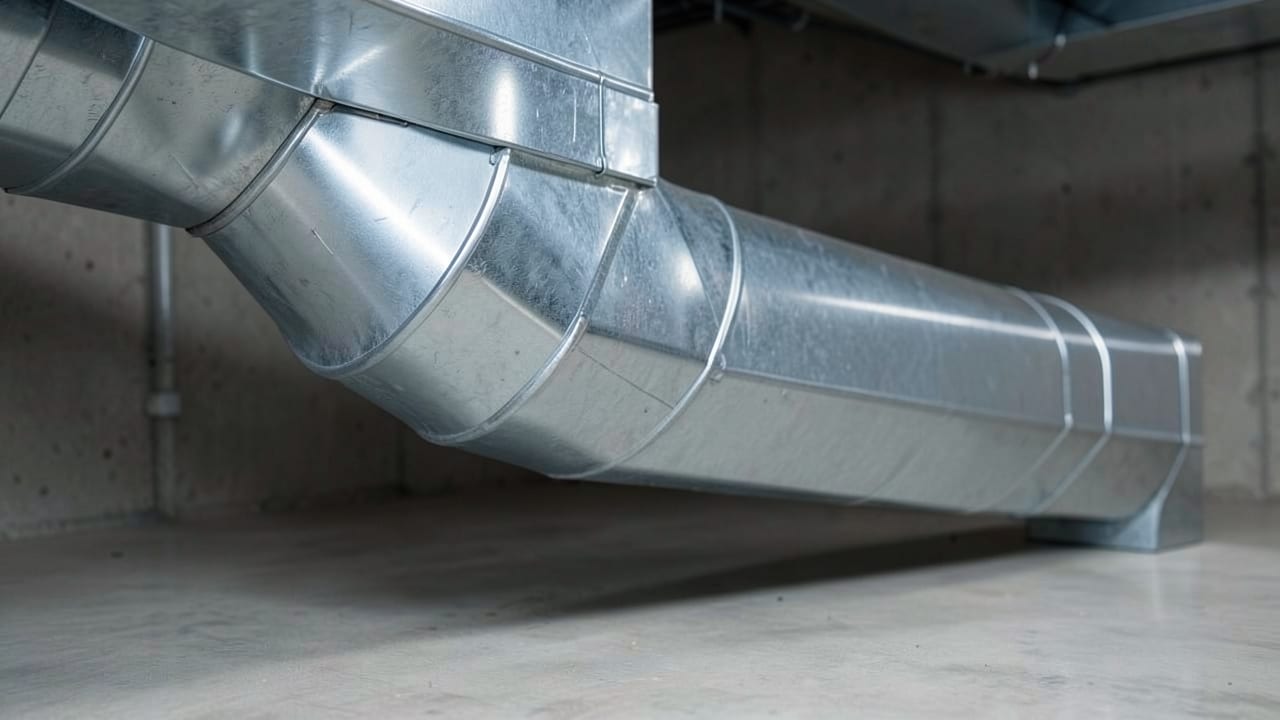
Metal Ductwork Mold Remediation in Bridgewater, NJ
Professional removal of mold from metal ductwork to restore indoor air quality.
Learn More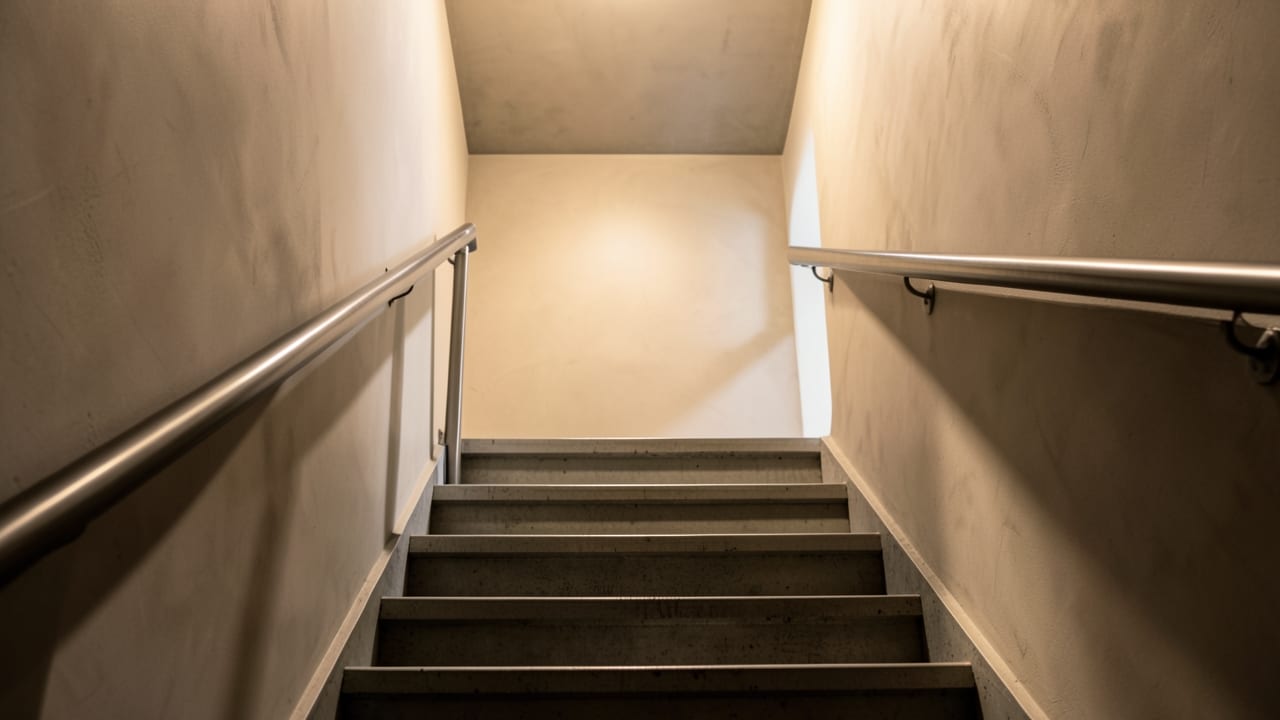
Stairwell Mold Remediation in Bridgewater, NJ
Professional mold removal and prevention in stairwells to restore safe, clean spaces.
Learn More
Balcony Mold Cleanup in Bridgewater, NJ
Professional removal and treatment of mold growth on balconies and adjacent structures.
Learn More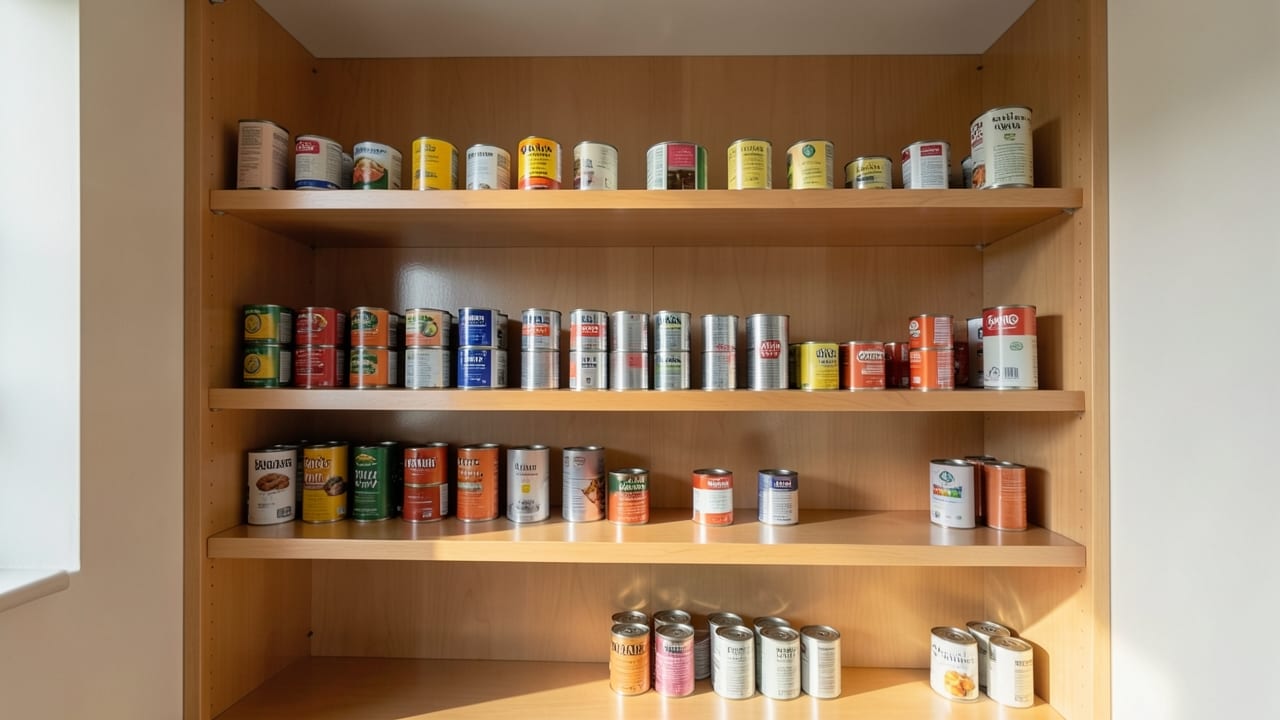
Pantry Mold Treatment in Bridgewater, NJ
Professional assessment and removal of mold in pantry areas to restore a safe, clean space.
Learn More
Hallway Mold Remediation in Bridgewater, NJ
Professional removal and treatment of mold growth in residential hallways.
Learn More
Condo Mold Remediation in Bridgewater, NJ
Professional removal and treatment of mold in condominiums to restore safe, healthy living spaces.
Learn MoreCommon Questions About Mold Remediation in Bridgewater
Everything you need to know about mold remediation services in Bridgewater
How much does Flood Damage Mold Remediation typically cost in Bridgewater, NJ?
Why does Bridgewater, NJ's humidity make mold a bigger risk than in drier regions?
Is it safe to stay in the home during mold remediation?
Can small mold problems be handled without hiring anyone?
What's the actual difference between mold removal and mold remediation?
Is a final clearance test part of a typical mold remediation job?
Need Mold Remediation in Bridgewater?
Connect with local providers in Bridgewater for a detailed quote.
⏰ We answer your call • Serving all of Bridgewater and surrounding areas