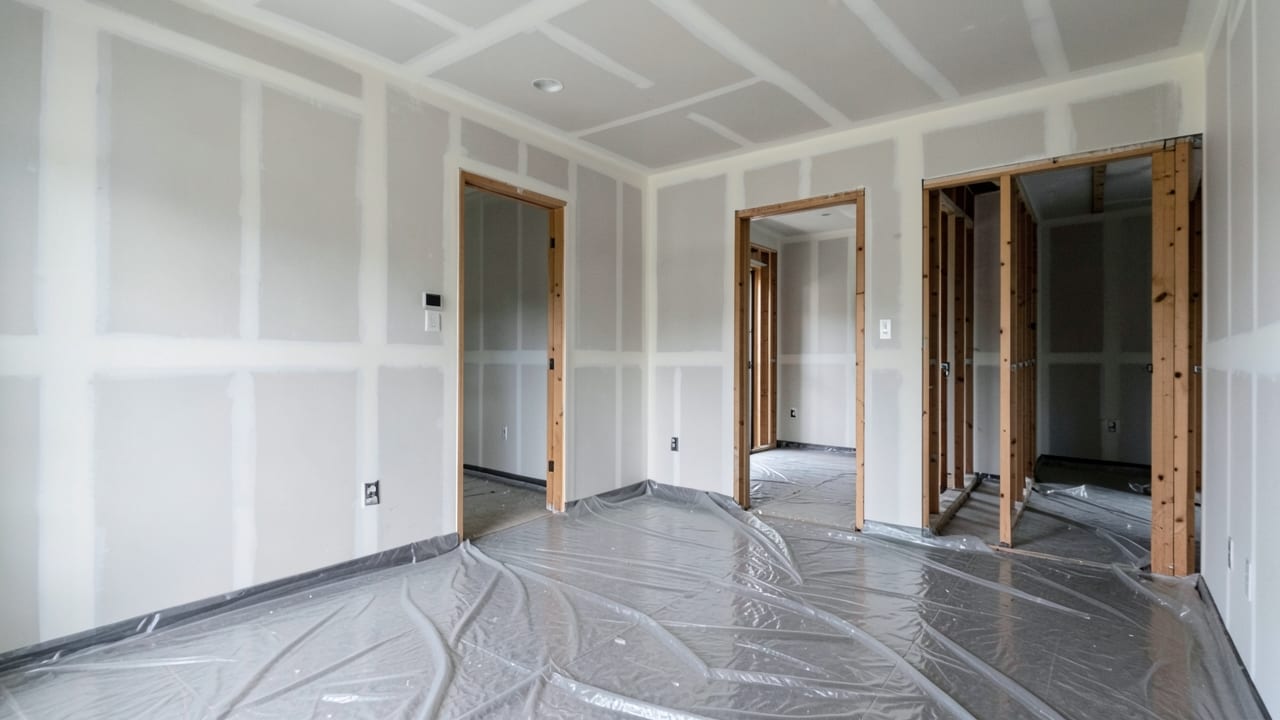
New Construction Mold Remediation
Professional mold removal and prevention in newly built homes to ensure safe, clean living spaces.
New construction mold remediation in Bridgewater, NJ addresses mold growth in recently built homes, often caused by trapped moisture during building. This service includes identification, containment, and removal of mold to restore indoor air quality and prevent structural damage.
Proper remediation follows strict protocols to ensure safety and effectiveness, including containment, HEPA filtration, and moisture control.
We also handle Apartment Mold Remediation and Rental Property Mold Cleanup for Bridgewater properties.
When is new construction mold remediation needed?
Mold in new construction often appears when moisture gets trapped during building, leading to hidden growth behind walls, under flooring, or in framing. Homeowners should consider remediation if mold covers more than a small, isolated patch — typically over 25 square feet — or if it keeps returning after cleaning.
A musty smell with no visible mold or a smell that worsens when the HVAC runs may indicate hidden growth in walls, flooring, or ductwork.
Poor airflow in rooms like windowless bathrooms, basements, or closets can also create conditions for mold to thrive. If mold appears in multiple areas or spreads quickly, it’s a sign the moisture source hasn’t been addressed.
Addressing the root cause — such as fixing leaks, improving ventilation, or adjusting humidity — is critical to preventing regrowth.
Signs You May Need Mold Remediation
- Mold covering more than 25 contiguous square feet (a common threshold for professional intervention)
- Visible mold that returns within weeks after cleaning, suggesting an unresolved moisture issue
- A musty odor with no visible mold, often indicating hidden growth in walls, under flooring, or in HVAC ducts
- Poor airflow in enclosed spaces like windowless bathrooms, basements, or closets where moisture lingers
- Mold appearing in multiple areas of the home, rather than a single isolated spot
What affects the cost and timeline of remediation?
The cost and duration of new construction mold remediation depend on the size of the affected area, the type of materials involved, and the complexity of containment. Larger spaces or those with extensive hidden mold require more labor and equipment, which can extend the timeline.
Containment protocols, such as sealing off work areas and using HEPA filtration, add time but are necessary to prevent spore spread.
Structural drying with industrial dehumidifiers and air movers is often required to ensure moisture levels return to normal before the space is closed up. Clearance testing by an independent lab confirms the work is complete, though this step is sometimes priced separately.
Pricing for residential remediation in Bridgewater is typically project-specific, based on square footage and the scope of the job.
Why containment and clearance testing matter
Containment is a critical step in mold remediation, as it prevents spores from spreading to unaffected areas during removal. Plastic sheeting and negative-air machines seal the work zone, while HEPA air scrubbers run continuously to capture airborne spores.
Without proper containment, spores can drift into hallways, HVAC systems, or other rooms, turning a small job into a larger one.
Clearance testing by an independent lab ensures the remediation was effective by confirming spore counts are back to normal levels. This step is separate from the remediation work itself and helps verify that the moisture source has been addressed.
Skipping containment or clearance testing can lead to incomplete removal or recurring mold issues.
A tear in plastic sheeting, an open door, or improper negative air pressure can let spores escape containment. This turns a contained job into a larger one, as spores spread to unaffected areas. Always ensure the work area is fully sealed before removal begins.
How new construction mold remediation works
Remediation follows a structured process to safely remove mold and prevent regrowth.
- 1Containment Setup
The work area is sealed with plastic sheeting and negative-air machines to prevent spores from spreading. This step ensures airborne spores stay within the containment zone during removal.
- 2Material Removal or Cleaning
Porous materials like drywall, insulation, or carpet padding that absorb mold are typically cut out and bagged. Non-porous surfaces like framing or tile are scrubbed and treated instead of discarded.
- 3HEPA Filtration and Vacuuming
HEPA-filtered air scrubbers run continuously during the job, and surfaces are vacuumed with HEPA equipment to capture spores. Standard shop vacuums or non-HEPA filters recirculate spores instead of capturing them.
- 4Structural Drying
Industrial dehumidifiers and air movers reduce moisture levels in framing and subfloors to normal readings. This step helps prevent mold from regrowing on damp materials.
- 5Clearance Testing
An independent lab tests air or surfaces after remediation to confirm spore counts are back to normal. This step verifies the work is complete before containment is removed.
Frequently asked questions
Can I handle small mold patches myself, or should I call a professional?
Mold covering less than 25 square feet may be manageable with proper cleaning and moisture control. However, if the mold keeps returning, spreads quickly, or you notice a musty smell without visible growth, professional remediation is recommended to address hidden issues.
How long does the remediation process typically take?
The timeline varies based on the size of the affected area and the complexity of containment. Small jobs may take a few days, while larger or hidden mold issues can require a week or more, including drying and clearance testing.
Will my home need to be vacated during remediation?
Occupants may need to leave the home temporarily, especially if containment requires sealing off large areas. The crew can provide guidance on safe zones or alternative living arrangements during the work.
How do I know if the moisture source causing the mold has been fixed?
A professional will inspect for leaks, condensation, or grading issues and address them during remediation. Monitoring humidity levels in the affected room for the first year helps catch early signs of recurrence before it becomes a larger problem.
See Franklin Center, NJ for more, or see our full crew's Bridgewater services before booking for our complete lineup.
Ready to get started?
Talk to a local mold remediation pro in Bridgewater — get a written quote.
Other Mold Remediation Services in Bridgewater
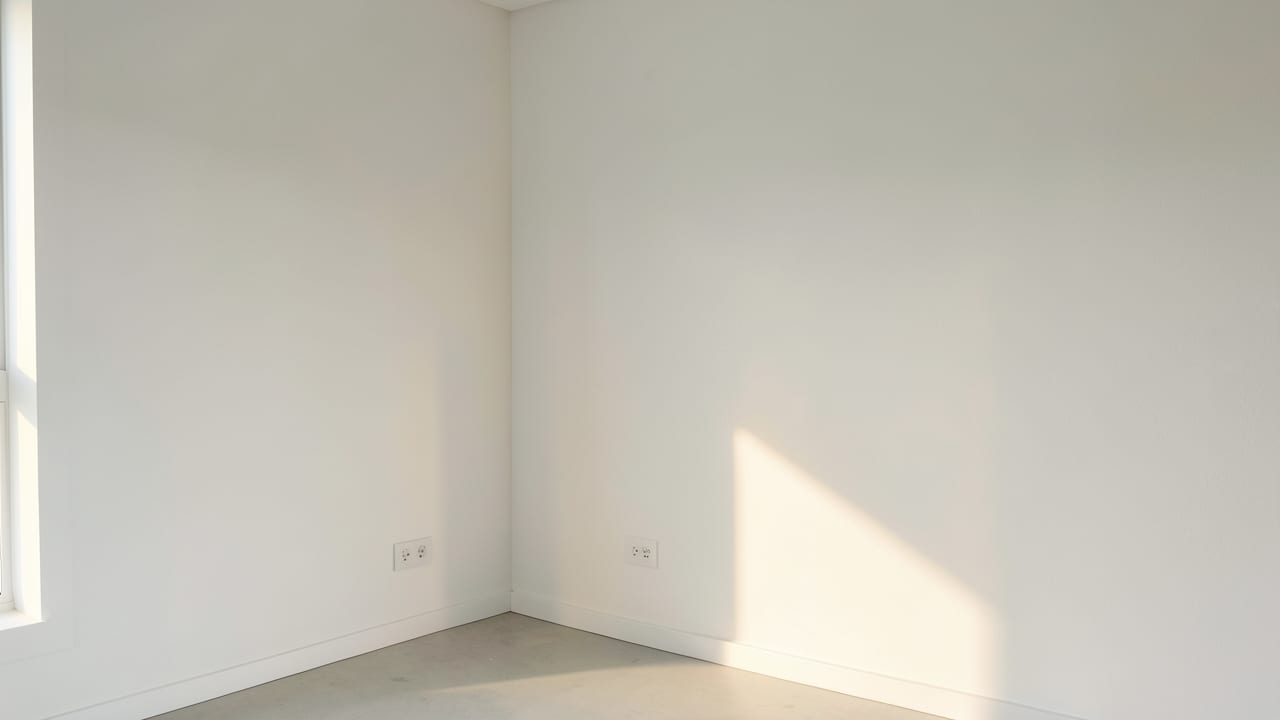
Apartment Mold Remediation in Bridgewater, NJ
Professional mold removal and remediation for apartments to restore safe living conditions.
Learn More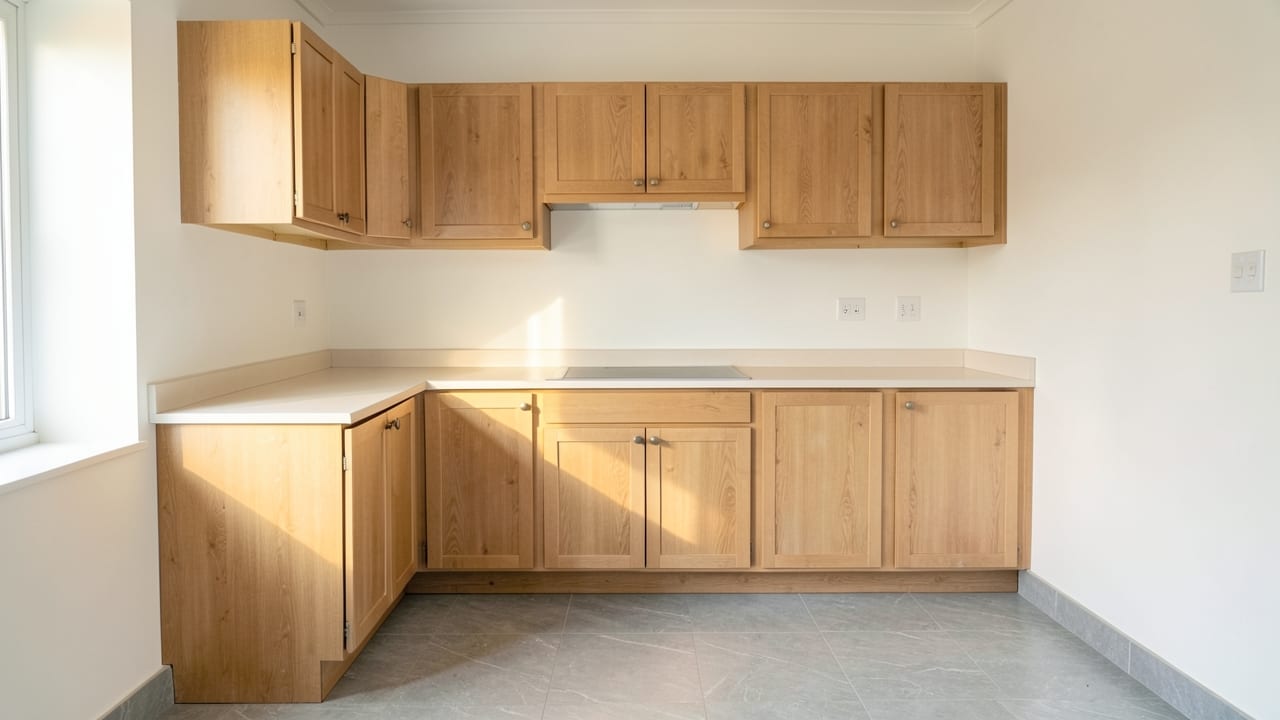
Rental Property Mold Cleanup in Bridgewater, NJ
Professional mold removal and remediation for rental properties to restore safe living conditions.
Learn More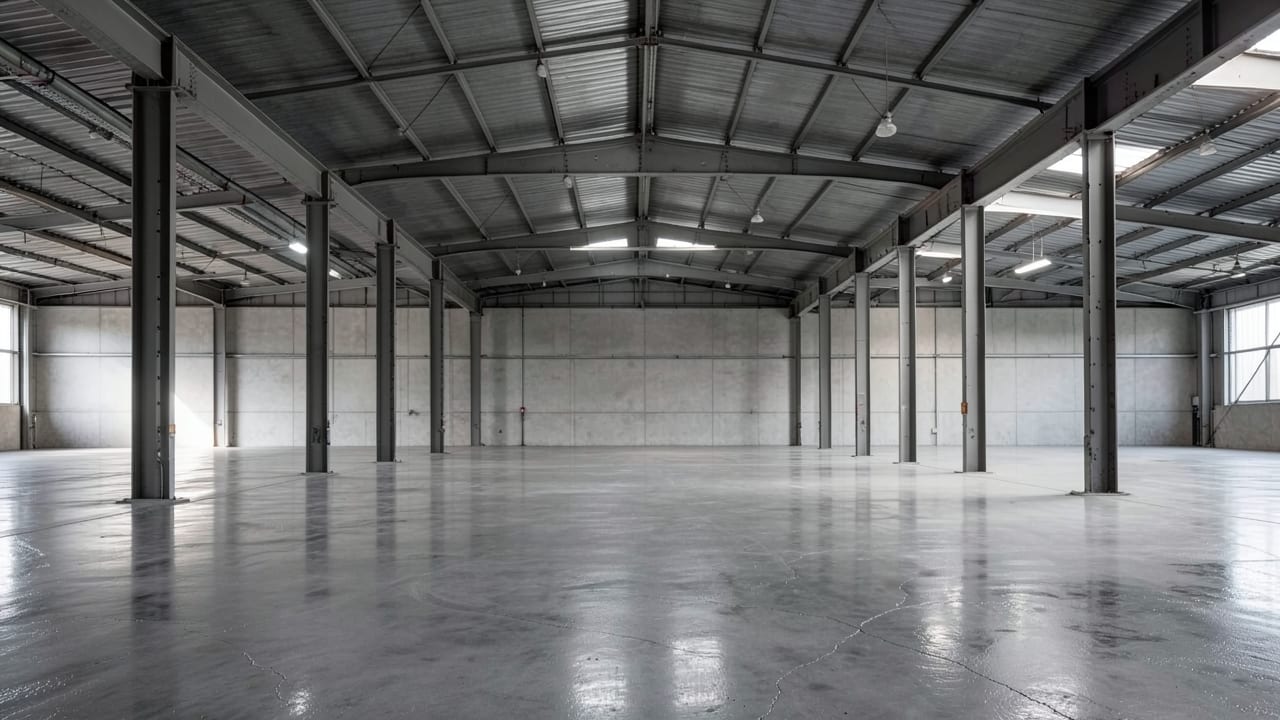
Warehouse Mold Cleanup in Bridgewater, NJ
Professional removal of mold from warehouse spaces to restore safe, clean conditions.
Learn More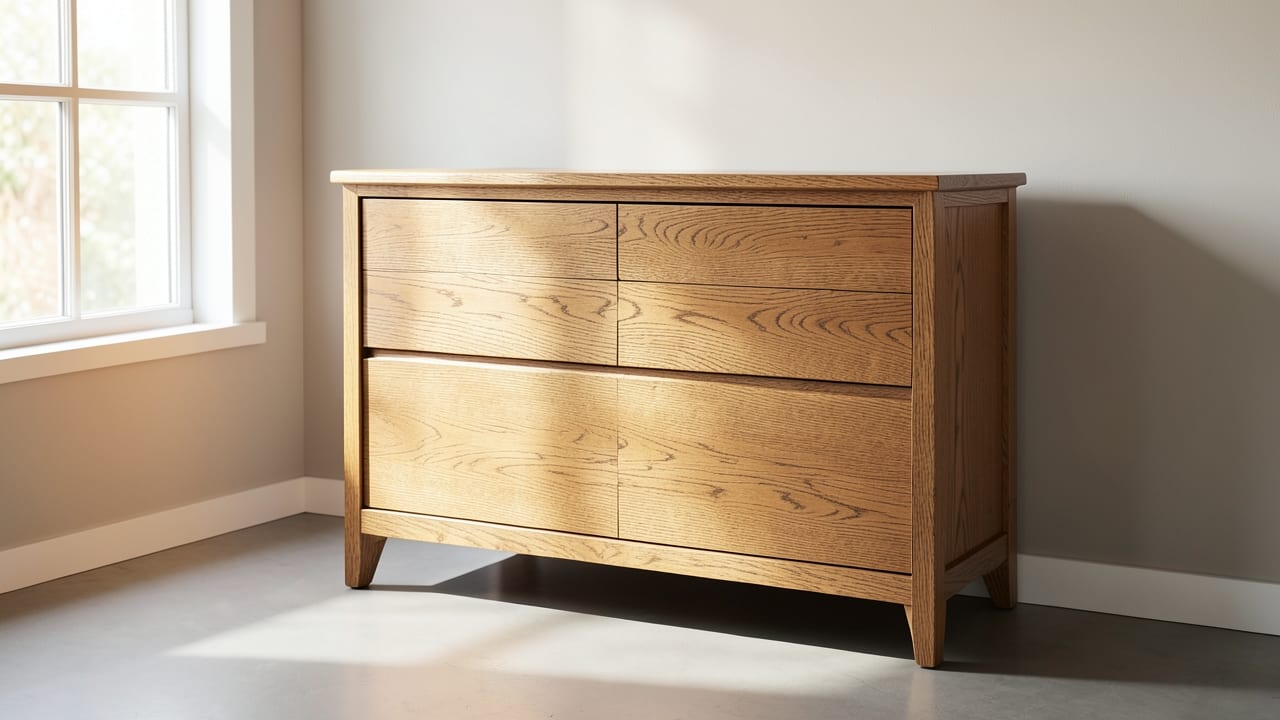
Wood Furniture Mold Remediation in Bridgewater, NJ
Professional removal and treatment of mold from wood furniture to restore safety and appearance.
Learn More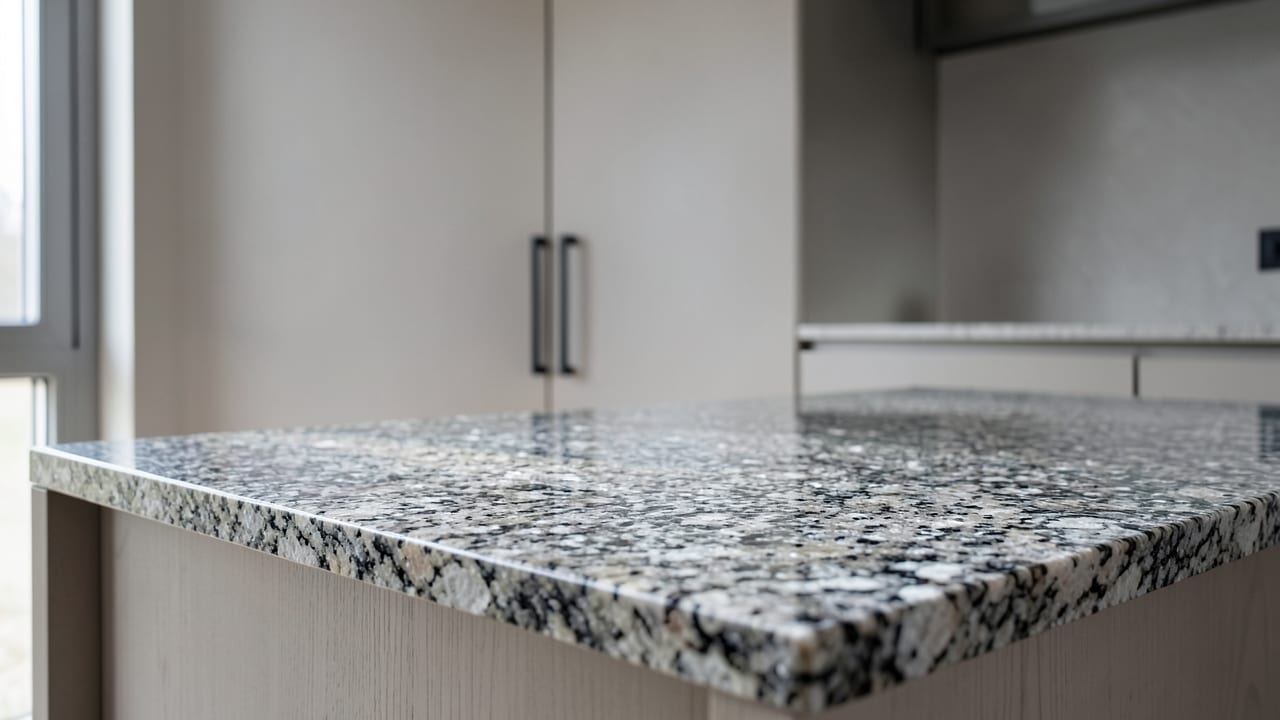
Stone Countertop Mold Removal in Bridgewater, NJ
Professional removal of mold from stone countertops using specialized cleaning and treatment methods.
Learn More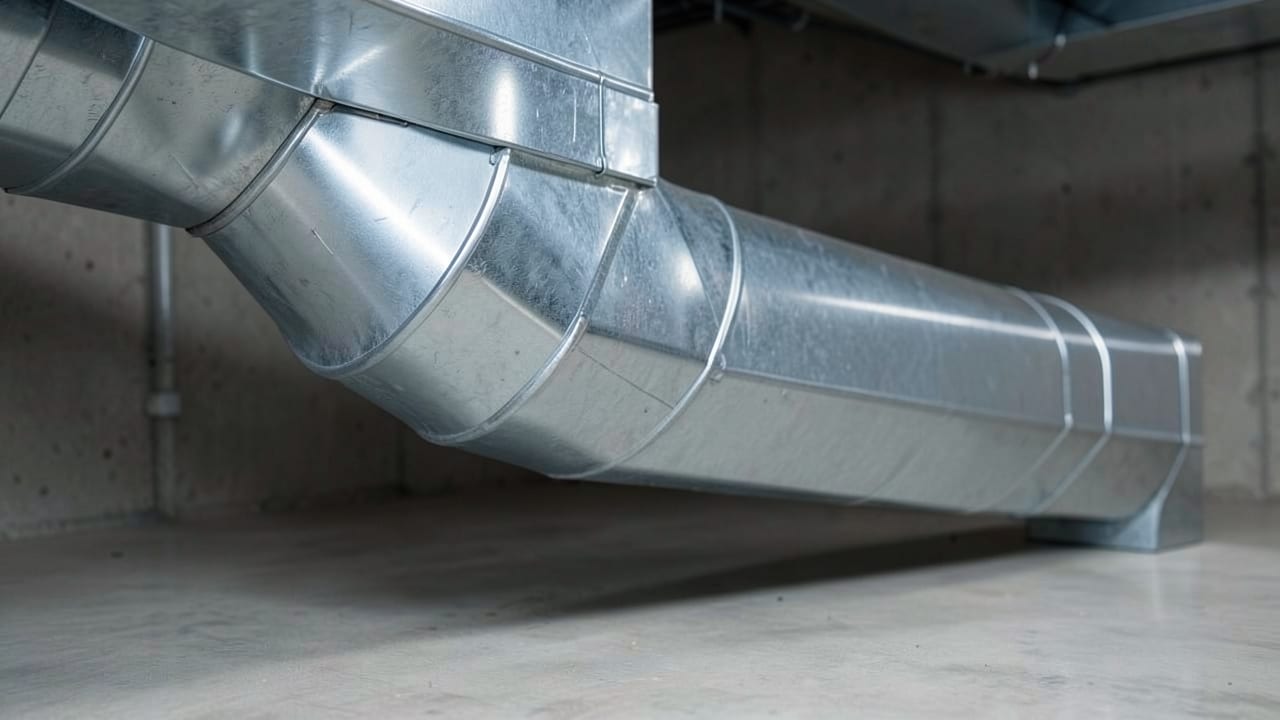
Metal Ductwork Mold Remediation in Bridgewater, NJ
Professional removal of mold from metal ductwork to restore indoor air quality.
Learn MoreCommon Questions About Mold Remediation in Bridgewater
Everything you need to know about mold remediation services in Bridgewater
How much does New Construction Mold Remediation typically cost in Bridgewater, NJ?
Why does Bridgewater, NJ's humidity make mold a bigger risk than in drier regions?
What's the actual difference between mold removal and mold remediation?
Is a final clearance test part of a typical mold remediation job?
How does mold remediation actually prevent the problem from coming back?
Can mold growing inside HVAC ductwork spread to the rest of a home?
Need Mold Remediation in Bridgewater?
Connect with local providers in Bridgewater for a detailed quote.
⏰ We answer your call • Serving all of Bridgewater and surrounding areas