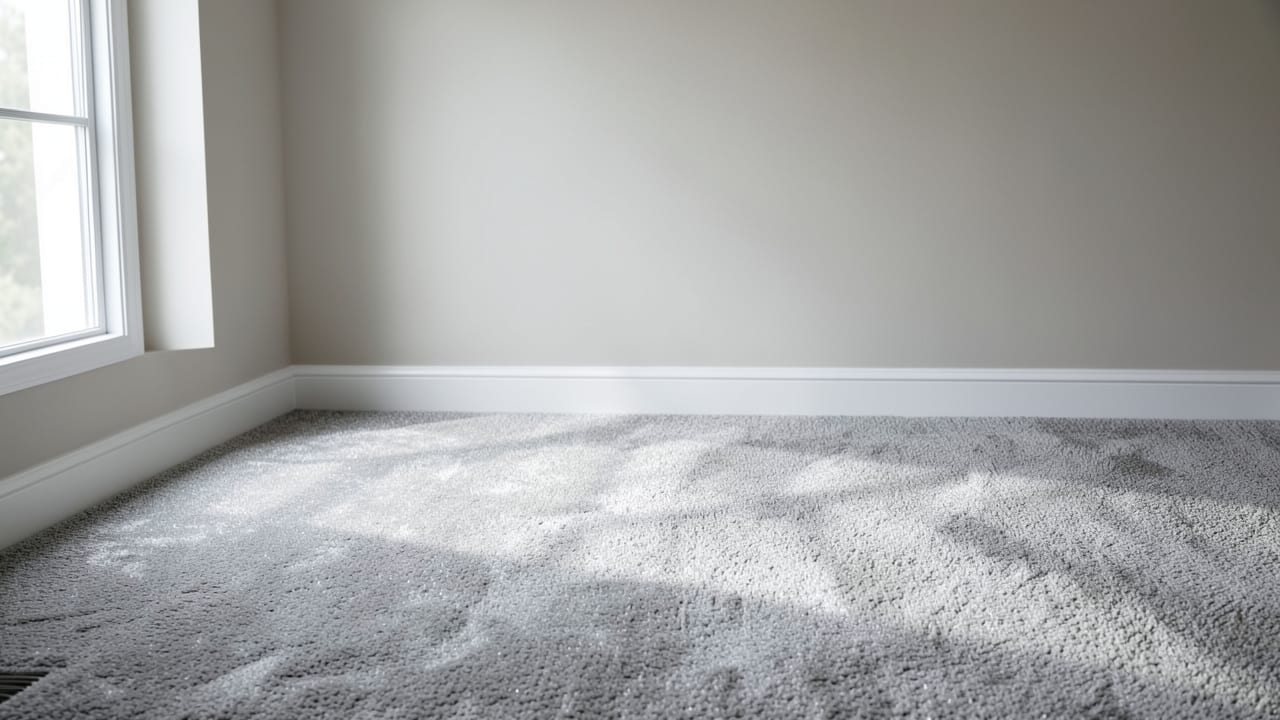
Carpet Mold Treatment
Professional assessment and removal of mold growth from carpets to restore a safe indoor environment.
Carpet mold treatment in Bridgewater, NJ addresses hidden mold growth in carpets and padding, often caused by moisture from leaks, poor ventilation, or high humidity.
Professional remediation includes containment, removal of affected materials, HEPA filtration, and structural drying to prevent regrowth and protect the rest of your home from airborne spores.
We also handle Restaurant Mold Remediation and Retail Store Mold Remediation for Bridgewater properties.
When carpet mold treatment is needed
Mold in carpets often starts small but can spread quickly if moisture issues persist. Visible signs include discoloration, a musty odor, or mold returning after cleaning. In Bridgewater’s humid climate, basements, bathrooms, and windowless rooms are common hotspots for hidden growth.
If mold covers more than a small patch (typically over 25 square feet), keeps returning after cleaning, or spreads to multiple rooms, professional treatment is recommended. Ignoring these signs can lead to deeper structural damage and health concerns from airborne spores.
Signs You Need Carpet Mold Treatment
- Mold covers more than a small, isolated patch (over 25 sq ft).
- Musty smell with no visible mold in the room—may indicate hidden growth.
- Mold returns within weeks after cleaning, suggesting a moisture source remains.
- Airborne spores are visible in dust or HVAC vents, or you experience respiratory irritation.
What affects pricing and timing
Pricing for carpet mold treatment in Bridgewater depends on the size of the affected area, the extent of mold growth, and whether hidden moisture sources require additional work. Containment, HEPA filtration, and clearance testing are standard steps that influence the total cost.
Jobs typically take 1–3 days to complete, depending on the scope. Larger infestations or structural damage may require extra time for drying and repairs. Black mold cases often cost 15–25% more due to stricter remediation protocols.
What to watch for during remediation
During treatment, the work area is sealed off with plastic sheeting and negative-air machines to prevent spores from spreading. Non-porous surfaces like tile are cleaned, while porous materials like carpet padding are removed and disposed of safely.
After removal, industrial dehumidifiers and air movers dry the structure to prevent regrowth. Clearance testing confirms spore levels return to normal before the area is reopened. Skipping these steps can lead to incomplete remediation.
| Step | Why It Matters |
|---|---|
| Containment with plastic sheeting | Prevents spores from spreading to unaffected areas. |
| HEPA air scrubbing | Captures airborne spores instead of recirculating them. |
| Structural drying with dehumidifiers | Eliminates moisture that fuels regrowth. |
| Clearance testing by a third party | Verifies the job meets safety standards. |
How carpet mold treatment works
Professional remediation follows strict protocols to safely remove mold and prevent recurrence.
- 1Inspection and Containment
A technician inspects the carpet and subfloor for mold, then seals the work area with plastic sheeting and negative-air machines to contain spores.
- 2Removal of Affected Materials
Carpet padding and other porous materials with deep mold growth are cut out and bagged for disposal. Non-porous surfaces are cleaned and treated.
- 3HEPA Filtration and Cleanup
HEPA-filtered air scrubbers run continuously, and surfaces are vacuumed with HEPA equipment to capture remaining spores.
- 4Structural Drying
Industrial dehumidifiers and air movers dry the framing and subfloor to normal moisture levels, preventing future growth.
- 5Clearance Testing
An independent lab tests air or surfaces to confirm spore counts are back to normal before the area is reopened.
Frequently asked questions
Can I clean carpet mold myself?
Small patches (under 25 sq ft) can sometimes be cleaned with vinegar or a commercial mold killer, but carpets absorb moisture deeply. If mold returns or spreads, professional treatment is safer and more effective.
How do I know if my carpet mold is black mold?
Black mold appears dark greenish-black and often has a slimy texture. However, visual identification isn’t definitive—lab testing is the only way to confirm the species. Professional remediation follows the same steps regardless.
Will my insurance cover carpet mold treatment?
Some homeowners’ policies cover mold remediation if it’s caused by a covered event like a burst pipe. Check your policy for exclusions, and document the moisture source (e.g., leak, poor ventilation) before contacting your insurer.
How long does it take to dry the subfloor after mold removal?
Drying time depends on humidity levels and the size of the affected area. Industrial dehumidifiers typically run for 24–72 hours until moisture readings return to normal.
See Bedminster Township, NJ for more, or discover the mold remediation work we do around Bridgewater side by side for our complete lineup.
Ready to get started?
Talk to a local mold remediation pro in Bridgewater — get a written quote.
Other Mold Remediation Services in Bridgewater
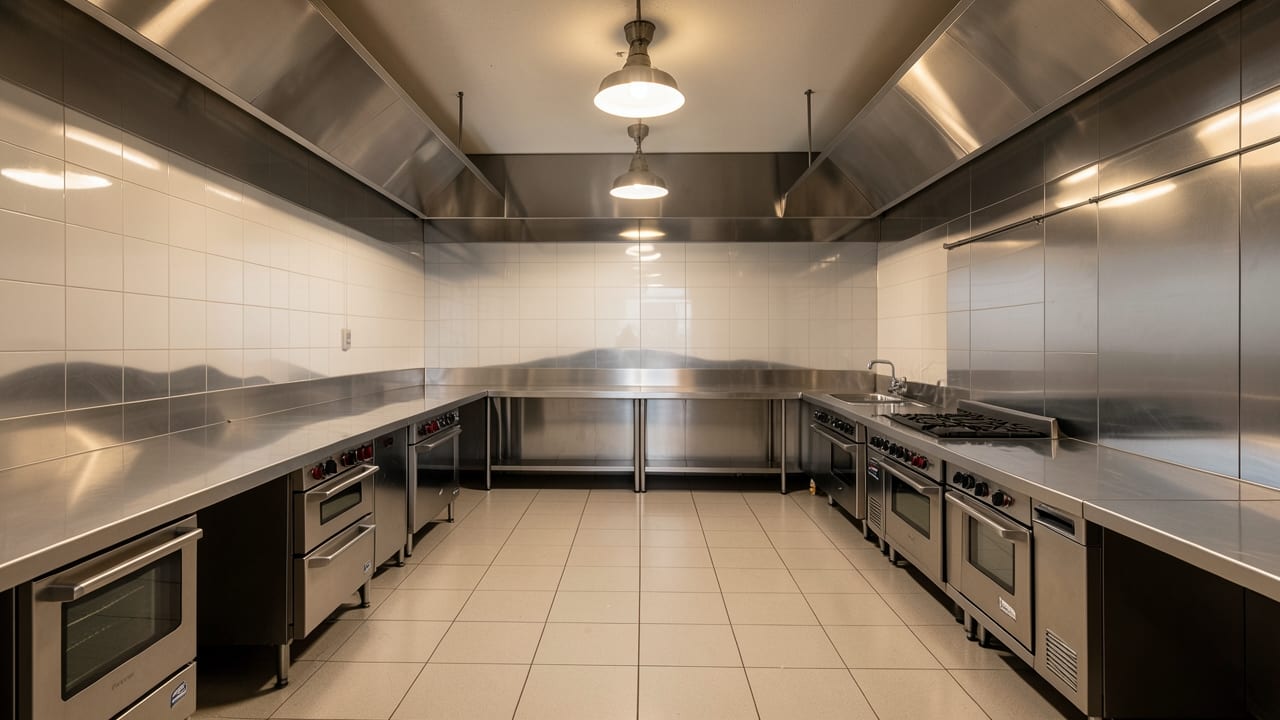
Restaurant Mold Remediation in Bridgewater, NJ
Professional mold removal and remediation for restaurant spaces to ensure safety and compliance.
Learn More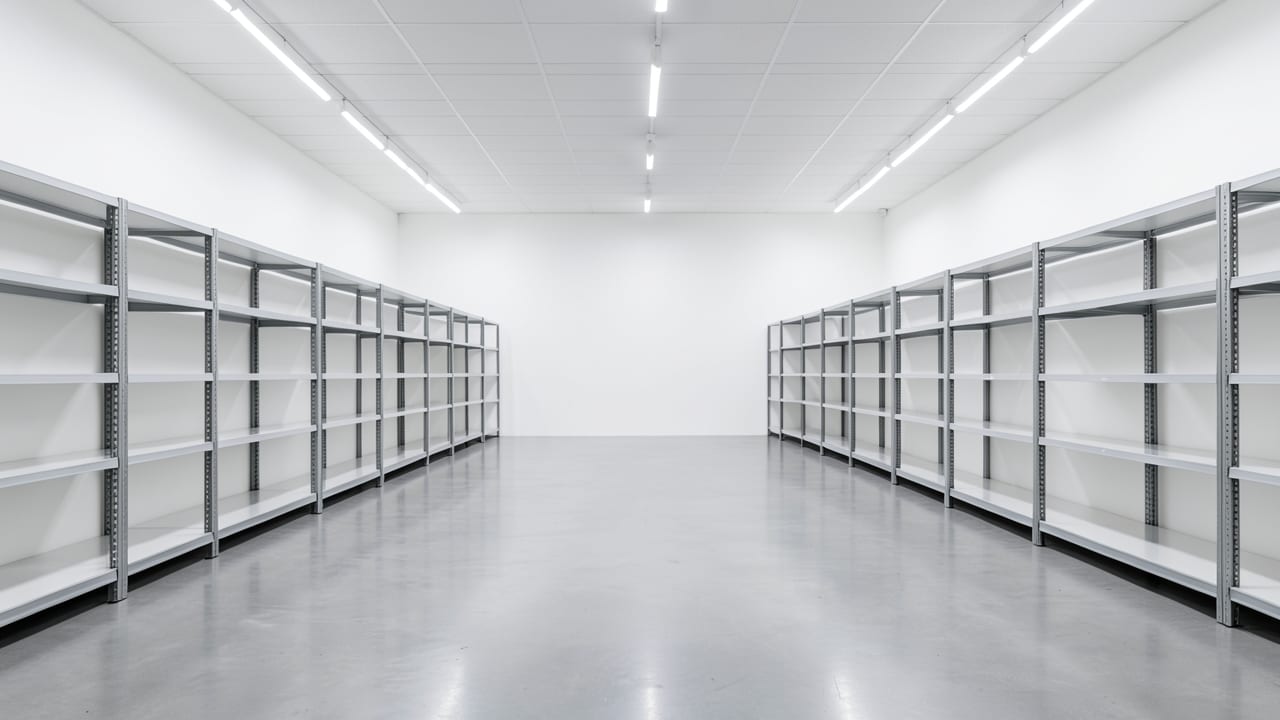
Retail Store Mold Remediation in Bridgewater, NJ
Professional mold removal and remediation for retail stores to restore safe, clean environments.
Learn More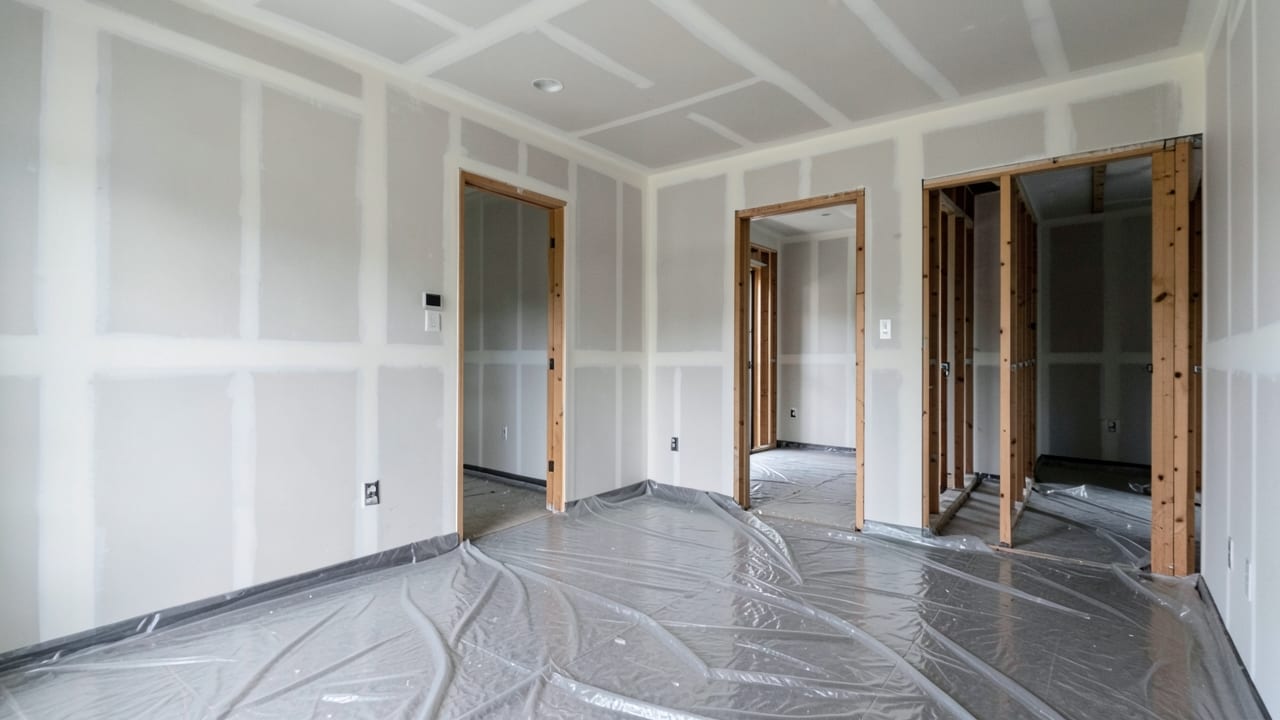
New Construction Mold Remediation in Bridgewater, NJ
Professional mold removal and prevention in newly built homes to ensure safe, clean living spaces.
Learn More
Hotel Mold Remediation in Bridgewater, NJ
Professional removal and treatment of mold growth in hotel properties to restore safe, clean environments.
Learn More
Pet Urine Mold Treatment in Bridgewater, NJ
Professional removal of mold caused by pet urine in homes, including assessment and treatment.
Learn More
Salt Air Mold Remediation in Bridgewater, NJ
Professional mold assessment, containment, removal, and prevention in affected areas of the home.
Learn MoreCommon Questions About Mold Remediation in Bridgewater
Everything you need to know about mold remediation services in Bridgewater
How much does Carpet Mold Treatment typically cost in Bridgewater, NJ?
Why does Bridgewater, NJ's humidity make mold a bigger risk than in drier regions?
Is it safe to stay in the home during mold remediation?
Can small mold problems be handled without hiring anyone?
What's the actual difference between mold removal and mold remediation?
Is a final clearance test part of a typical mold remediation job?
Need Mold Remediation in Bridgewater?
Connect with local providers in Bridgewater for a detailed quote.
⏰ We answer your call • Serving all of Bridgewater and surrounding areas