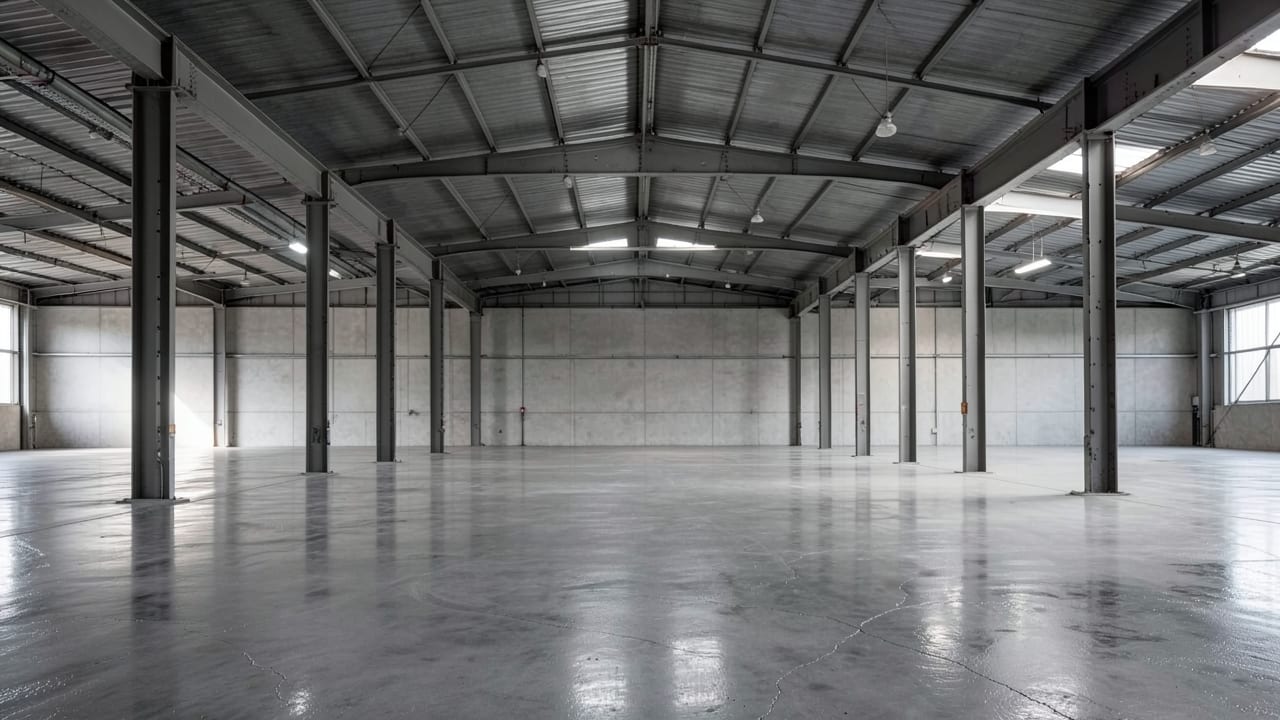
Warehouse Mold Cleanup
Professional removal of mold from warehouse spaces to restore safe, clean conditions.
Mold in warehouses, storage units, or large indoor spaces in Bridgewater, NJ, requires professional cleanup to prevent health risks and structural damage. Unlike small patches, extensive mold growth demands containment, removal of contaminated materials, and moisture control to stop regrowth.
Licensed contractors follow strict protocols to ensure safe, effective remediation tailored to the scale of the problem.
We also handle Stone Countertop Mold Removal and Metal Ductwork Mold Remediation for Bridgewater properties.
When mold cleanup becomes a remediation job
Mold covering more than a small, isolated patch often signals the need for professional remediation. In New Jersey, growth exceeding 25 contiguous square feet typically requires licensed work, as mold can penetrate porous materials like drywall and insulation, making surface cleaning ineffective.
Recurring mold in the same spot or a musty smell with no visible source also indicate deeper issues, such as hidden moisture or ductwork contamination.
A strong musty odor that worsens when the HVAC system runs may mean mold is spreading through vents, while damp rooms like basements or windowless closets often harbor hidden growth. Without addressing the moisture source—like leaks, poor ventilation, or grading problems—removal alone will not prevent regrowth.
Professional remediation includes containment, HEPA filtration, and structural drying to ensure the problem is resolved.
Signs You Need Professional Mold Remediation
- Mold covers more than a small, isolated patch (25+ square feet).
- Growth keeps returning after cleaning, even in the same spot.
- A musty smell persists with no visible mold, especially when the HVAC runs.
- Materials like drywall, insulation, or carpet padding show deep staining or warping.
- Condensation, leaks, or poor drainage are present in the affected area.
What affects the cost and process?
Mold remediation in Bridgewater is priced per project, not by a flat rate, because the scope varies widely. Factors like the size of the affected area, the type of materials involved, and whether hidden mold is discovered during removal all influence the final cost.
Containment, air filtration, and clearance testing are standard steps but may be billed separately, so a low upfront estimate could miss critical components.
The process also depends on whether the moisture source is fixed during remediation. Skipping this step often leads to regrowth, requiring repeat work. Additionally, strict containment protocols—like sealing off work areas and using HEPA filtration—are essential to prevent spores from spreading to unaffected parts of the home.
Always confirm whether a quote includes inspection, testing, and clearance verification before work begins.
| Factor | Impact on Cost/Process |
|---|---|
| Size of affected area | Larger areas require more materials, labor, and containment time. |
| Type of materials (e.g., drywall vs. framing) | Porous materials are often removed, while non-porous ones may be treated. |
| Hidden mold discovery | Opening walls or floors to find unseen growth adds time and cost. |
| Moisture source repair | Fixing leaks or ventilation issues during remediation prevents future regrowth. |
| Containment and testing requirements | Hospitals or food-service areas have stricter protocols than homes. |
Why containment and testing matter
Containment—using plastic sheeting and negative-air machines—keeps mold spores from spreading during removal. Without it, spores can drift into other parts of the home, turning a contained job into a larger, more costly problem.
Similarly, HEPA air scrubbers and vacuums capture spores that standard equipment would recirculate, reducing the risk of reinfection.
Clearance testing by an independent lab confirms that spore levels are back to normal after remediation. This step is critical because it provides objective proof that the work was effective, even if visible mold is gone. Skipping testing leaves uncertainty about whether the problem is truly resolved.
How warehouse mold cleanup works
Professional remediation follows a structured process to safely remove mold and prevent regrowth.
- 1Containment Setup
Plastic sheeting and negative-air machines seal off the affected area to trap spores during removal, preventing them from spreading to other parts of the home.
- 2Material Removal or Treatment
Porous materials like drywall and insulation, which absorb mold, are cut out and bagged. Non-porous surfaces like tile or framing are scrubbed and treated to kill remaining spores.
- 3HEPA Filtration and Cleanup
HEPA air scrubbers run continuously to capture airborne spores, and surfaces are vacuumed with HEPA-filtered equipment to avoid recirculating mold.
- 4Structural Drying
Industrial dehumidifiers and air movers reduce moisture in framing and subfloors to normal levels, as dampness encourages mold regrowth even after visible traces are removed.
- 5Clearance Testing
An independent lab tests air or surfaces to confirm spore counts are within normal ranges before containment is removed and the area is considered finished.
Frequently asked questions
How do I know if my mold problem is too big for DIY cleaning?
If mold covers more than 25 square feet or keeps returning after cleaning, it’s likely past the DIY stage. Hidden growth—indicated by musty smells or recurring dampness—also signals the need for professional remediation to address moisture sources and containment.
Will the remediation process disturb other parts of my home?
Proper containment, including plastic barriers and negative-air machines, keeps spores from spreading. However, if containment is breached—such as by an open door or torn sheeting—spores can migrate to unaffected areas, potentially worsening the problem.
How long does it take to complete mold remediation?
The timeline depends on the size of the affected area, the extent of hidden mold, and whether moisture sources need repair. Containment, removal, drying, and testing typically take several days, but complex cases may require longer.
What should I do to prevent mold from coming back after remediation?
Fix any leaks, improve ventilation in damp areas like basements, and use dehumidifiers or fans in rooms prone to moisture buildup. Monitoring humidity levels and addressing issues early can help prevent regrowth.
See Weston, NJ for more, or find out about the mold remediation work we do around Bridgewater in full for our complete lineup.
Ready to get started?
Talk to a local mold remediation pro in Bridgewater — get a written quote.
Other Mold Remediation Services in Bridgewater
Stone Countertop Mold Removal in Bridgewater, NJ
Professional removal of mold from stone countertops using specialized cleaning and treatment methods.
Learn More
Metal Ductwork Mold Remediation in Bridgewater, NJ
Professional removal of mold from metal ductwork to restore indoor air quality.
Learn More
Stairwell Mold Remediation in Bridgewater, NJ
Professional mold removal and prevention in stairwells to restore safe, clean spaces.
Learn More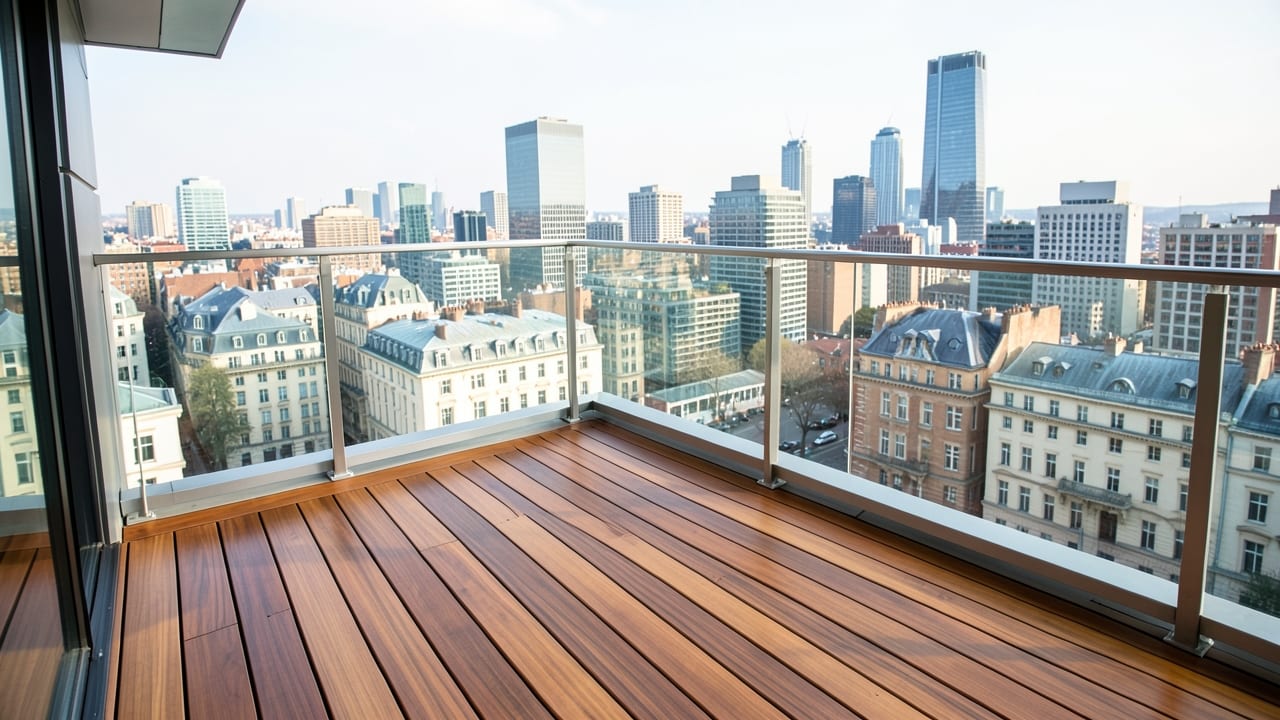
Balcony Mold Cleanup in Bridgewater, NJ
Professional removal and treatment of mold growth on balconies and adjacent structures.
Learn More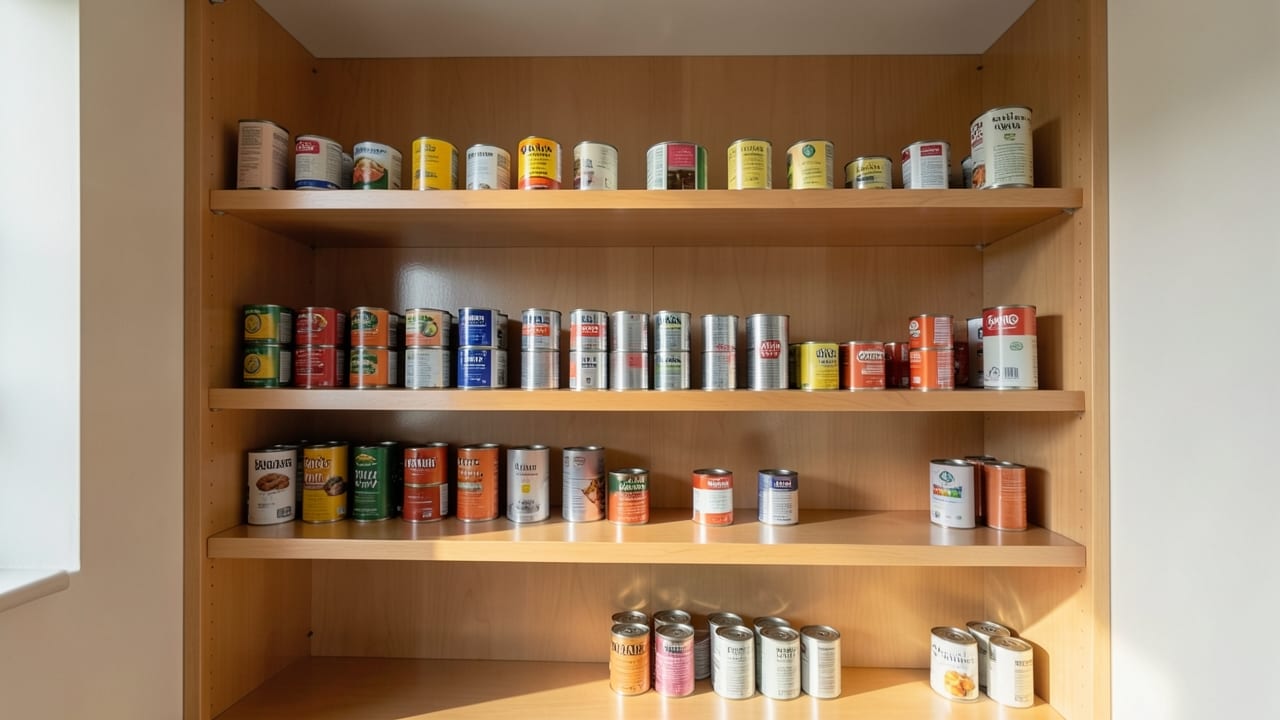
Pantry Mold Treatment in Bridgewater, NJ
Professional assessment and removal of mold in pantry areas to restore a safe, clean space.
Learn More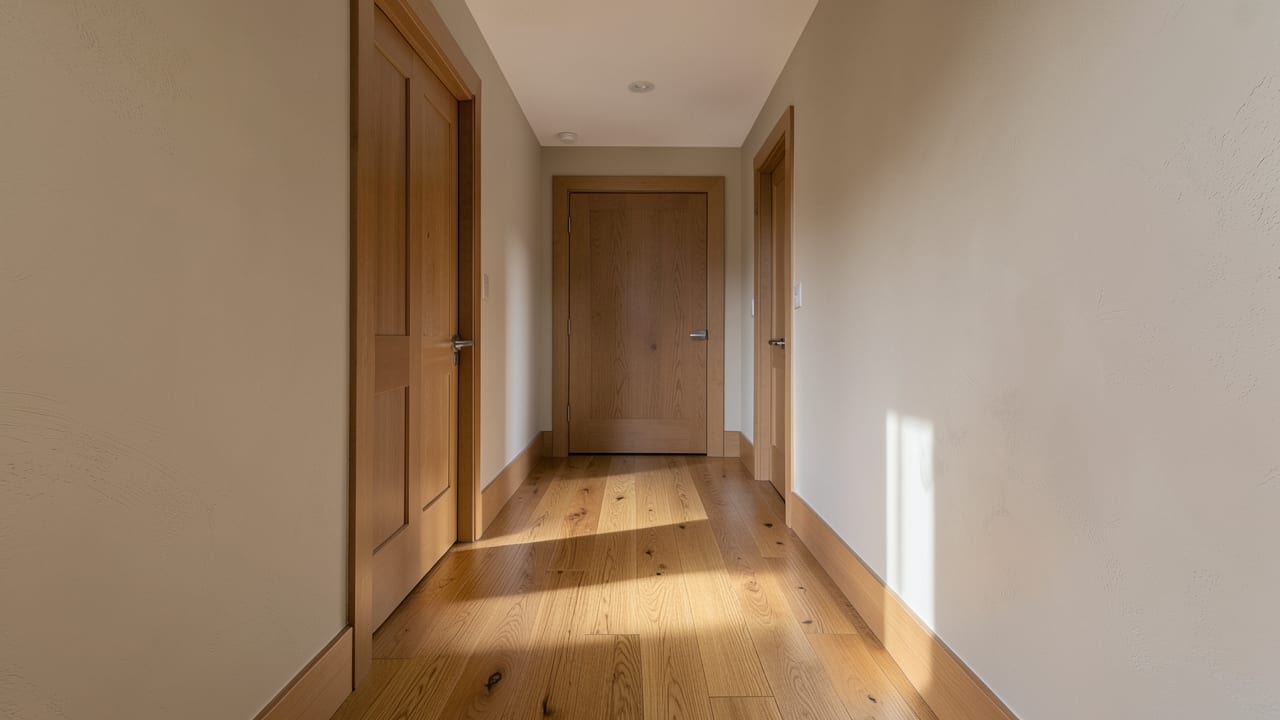
Hallway Mold Remediation in Bridgewater, NJ
Professional removal and treatment of mold growth in residential hallways.
Learn MoreCommon Questions About Mold Remediation in Bridgewater
Everything you need to know about mold remediation services in Bridgewater
How much does Warehouse Mold Cleanup typically cost in Bridgewater, NJ?
Why does Bridgewater, NJ's humidity make mold a bigger risk than in drier regions?
What's the actual difference between mold removal and mold remediation?
Is a final clearance test part of a typical mold remediation job?
How does mold remediation actually prevent the problem from coming back?
Can mold growing inside HVAC ductwork spread to the rest of a home?
Need Mold Remediation in Bridgewater?
Connect with local providers in Bridgewater for a detailed quote.
⏰ We answer your call • Serving all of Bridgewater and surrounding areas