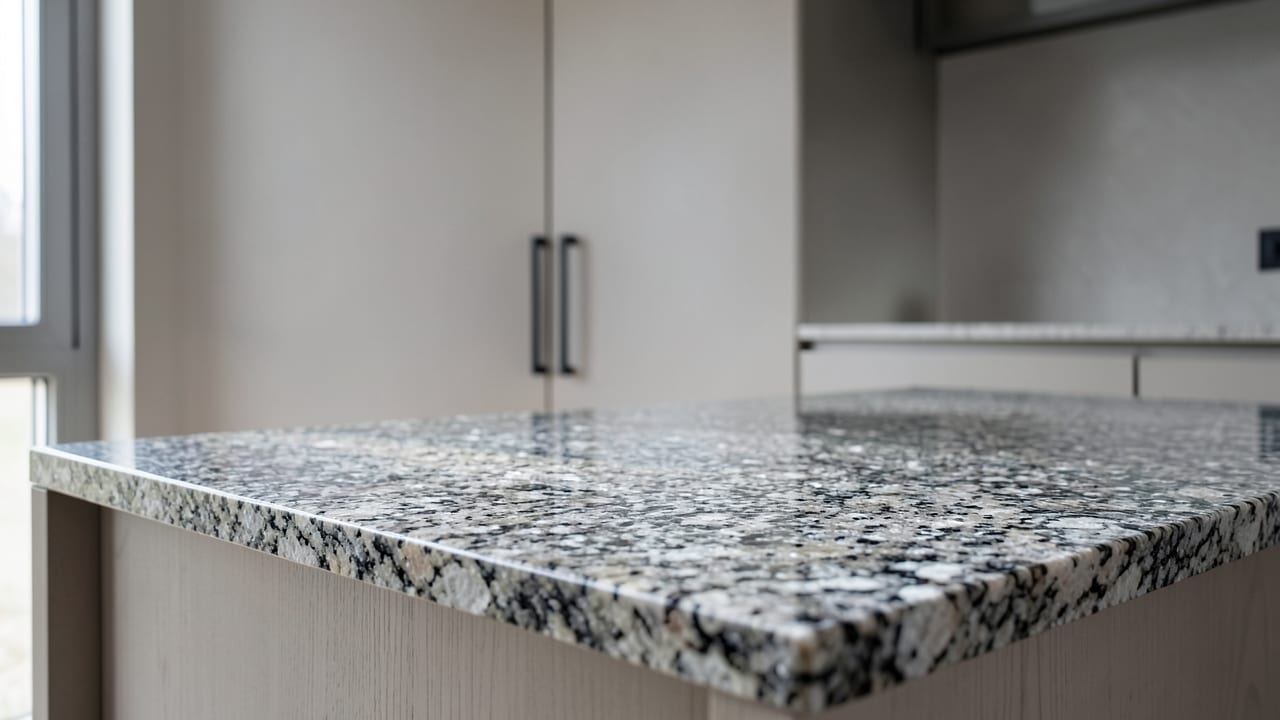
Stone Countertop Mold Removal
Professional removal of mold from stone countertops using specialized cleaning and treatment methods.
Mold on stone countertops in Bridgewater, NJ, requires professional remediation to prevent damage to natural or engineered stone like granite, marble, or quartz. Unlike porous materials, stone surfaces need specialized cleaning to eliminate spores without harming the finish, while containment and HEPA filtration ensure spores don’t spread during treatment.
When stone countertop mold needs professional help
Mold covering more than a small patch or returning after cleaning often signals a deeper issue. A musty smell with no visible mold suggests hidden growth, while damp rooms—like windowless bathrooms or basements—are high-risk zones.
We also handle Wood Furniture Mold Remediation and Metal Ductwork Mold Remediation for Bridgewater properties.
In New Jersey, mold remediation over 25 contiguous square feet typically requires a licensed contractor due to containment and safety standards.
Stone countertops complicate the process because mold can penetrate microscopic pores, making surface cleaning insufficient. Without addressing moisture sources—like leaks or poor ventilation—regrowth is likely. Professional remediation includes containment, HEPA filtration, and structural drying to prevent recurrence.
Signs Your Stone Countertop Mold Needs Expert Treatment
- Mold covers more than a 3-foot-by-3-foot area (25+ sq. ft.)
- Visible mold keeps returning after cleaning with household products
- You notice a musty smell with no visible mold in the room
- The affected area feels damp or has standing water nearby
- The mold is black or dark green (indicating deeper penetration into the stone)
What affects the cost and timeline of stone countertop mold removal
Pricing for stone countertop mold removal in Bridgewater varies by project scope, not a fixed rate. Specialty work—like resealing porous stone or refinishing damaged edges—may require subcontractors, adding to the total.
Containment, HEPA air scrubbing, and clearance testing are standard but often billed separately, so vague quotes may exclude these critical steps.
Timing depends on containment setup, moisture levels in framing, and drying requirements. Hidden mold behind cabinets or under sinks can extend the job, as walls or subfloors may need opening and treatment. Clearance testing, done by an independent lab, ensures spores are eliminated before the area is released.
| Factor | Impact on Cost/Timeline |
|---|---|
| Size of affected area | Larger patches or multiple surfaces increase labor and containment needs |
| Type of stone (granite, marble, quartz) | Porous stones like marble may need deeper cleaning or resealing |
| Moisture source present (leak, condensation) | Fixing the source is often required to prevent regrowth |
| Hidden mold behind cabinets/walls | Opens the job to structural inspection and extended drying |
| Clearance testing requirement | Independent lab testing adds to the final cost but confirms results |
Why containment and HEPA filtration matter for your home
During remediation, plastic sheeting and negative-air machines seal off the work area to trap spores. Without this, disturbed mold can spread through HVAC systems or hallways, turning a small job into a larger contamination issue.
HEPA air scrubbers and vacuums capture spores that standard equipment would recirculate, reducing the risk of cross-contamination.
Skipping these steps doesn’t save money—it often costs more later if mold spreads to unaffected areas. Proper containment also protects occupants, especially those with allergies or respiratory issues, by preventing exposure to airborne spores during the process.
How stone countertop mold removal works
Professional remediation follows strict containment and safety protocols to eliminate mold without damaging the stone.
- 1Containment Setup
Plastic sheeting seals the work area, and negative-air machines create a pressure difference to keep spores from escaping into the rest of the home. This step is critical to prevent cross-contamination.
- 2Specialized Cleaning
Stone surfaces are treated with mold-specific solutions that penetrate microscopic pores without damaging the finish. Non-porous materials like tile are scrubbed, while porous items (if present) are removed and disposed of properly.
- 3HEPA Filtration and Drying
HEPA air scrubbers run continuously to capture airborne spores, and industrial dehumidifiers dry framing or subfloors to normal moisture levels. This prevents regrowth in hidden damp areas.
- 4Clearance Testing
An independent lab tests air or surfaces for remaining spores. Results determine whether the area is safe to reopen—this step ensures the job meets industry standards.
- 5Moisture Source Fix (If Needed)
If leaks, poor ventilation, or grading issues caused the mold, these are addressed to reduce the risk of recurrence. Without fixing the source, visible mold may return within months.
Frequently asked questions
Can I clean mold off my stone countertops myself, or do I need a professional?
Small, isolated patches can sometimes be cleaned with vinegar or commercial stone-safe mold removers, but porous stones like marble may need deeper treatment. If the mold covers more than 25 sq. ft., keeps returning, or you smell it without seeing it, professional remediation is recommended to prevent damage and ensure safety.
How long does the stone countertop mold removal process take?
The timeline varies based on containment setup, drying needs, and whether hidden mold is found. A straightforward job may take 1–2 days, while larger or complex cases could extend to a week or more. Clearance testing adds an extra day or two to confirm results.
Will my stone countertops look the same after mold removal?
Professional cleaning preserves the stone’s appearance, but deep stains or damage may require refinishing or resealing. Porous stones might need additional treatment to restore their original finish. Always ask for a pre-work assessment to understand potential outcomes.
What should I do to prevent mold from coming back on my countertops?
Fix any moisture sources—like leaks or condensation—and improve airflow in damp areas with fans or dehumidifiers. Regularly check humidity levels (aim for 30–50% relative humidity) and wipe down surfaces to prevent future growth. Stone-sealing products can also add a protective barrier.
See Pluckemin, NJ for more, or find out about our complete Bridgewater service list step by step for our complete lineup.
Ready to get started?
Talk to a local mold remediation pro in Bridgewater — get a written quote.
Other Mold Remediation Services in Bridgewater
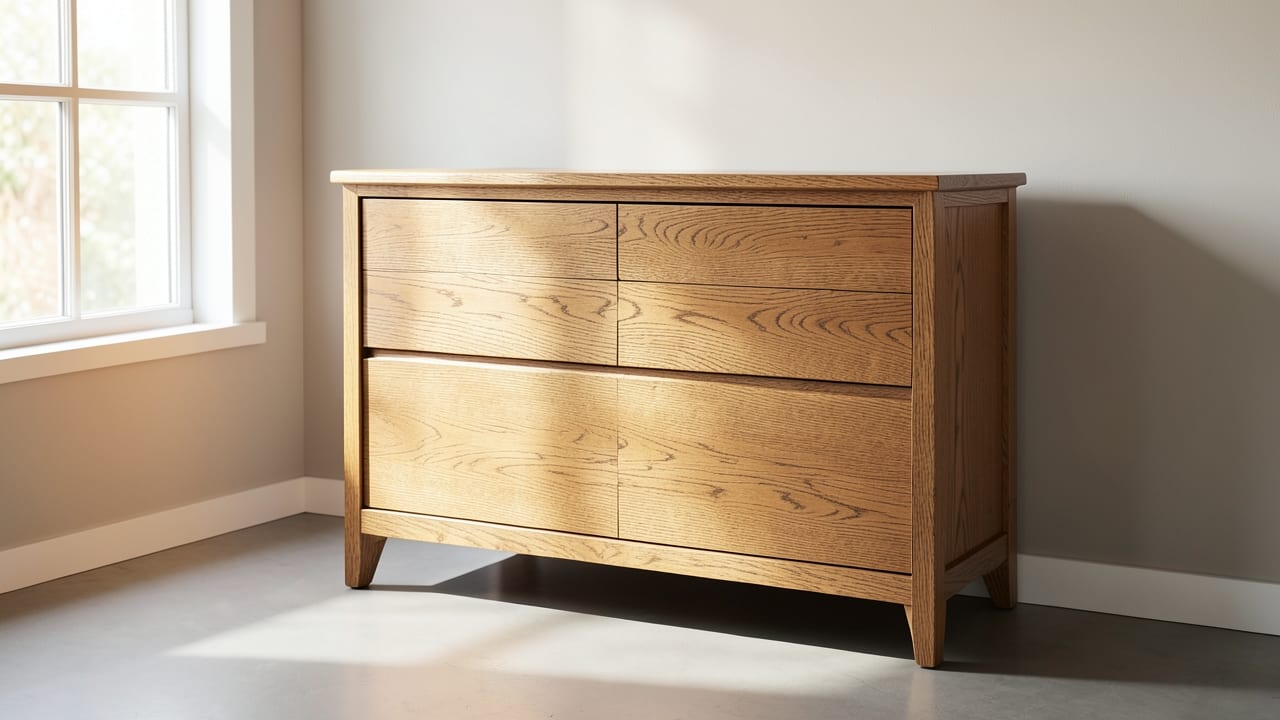
Wood Furniture Mold Remediation in Bridgewater, NJ
Professional removal and treatment of mold from wood furniture to restore safety and appearance.
Learn More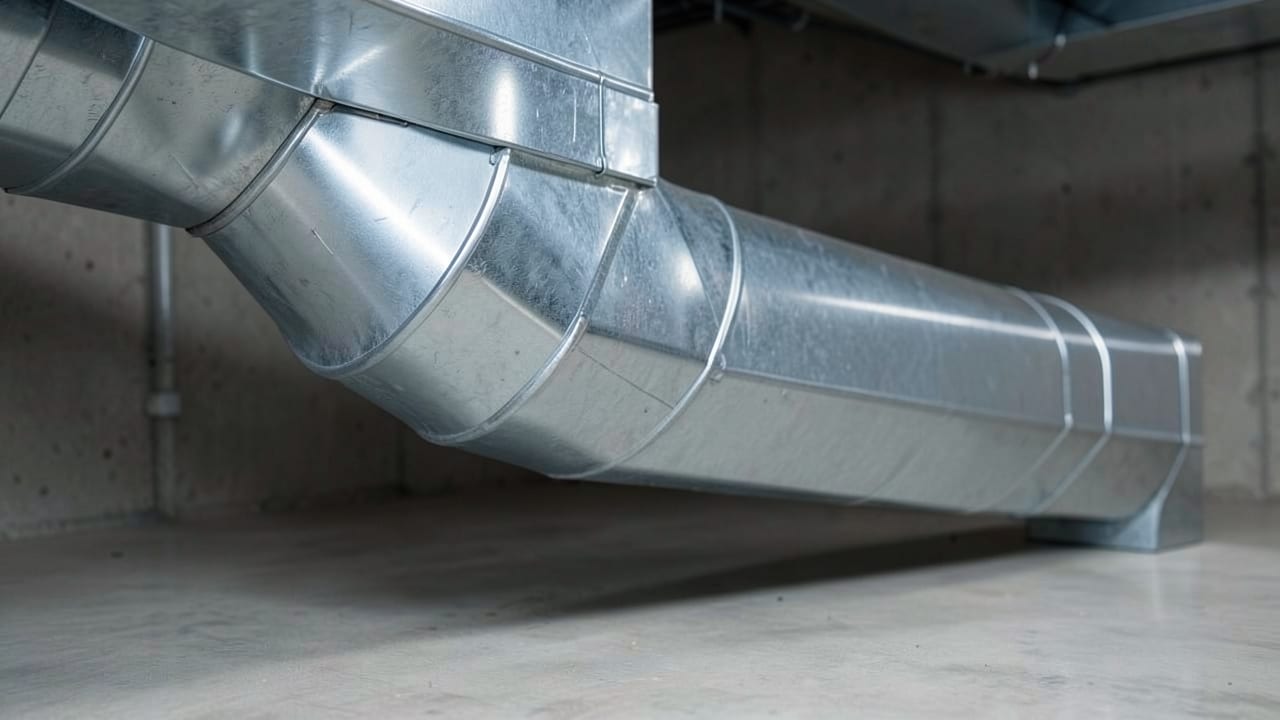
Metal Ductwork Mold Remediation in Bridgewater, NJ
Professional removal of mold from metal ductwork to restore indoor air quality.
Learn More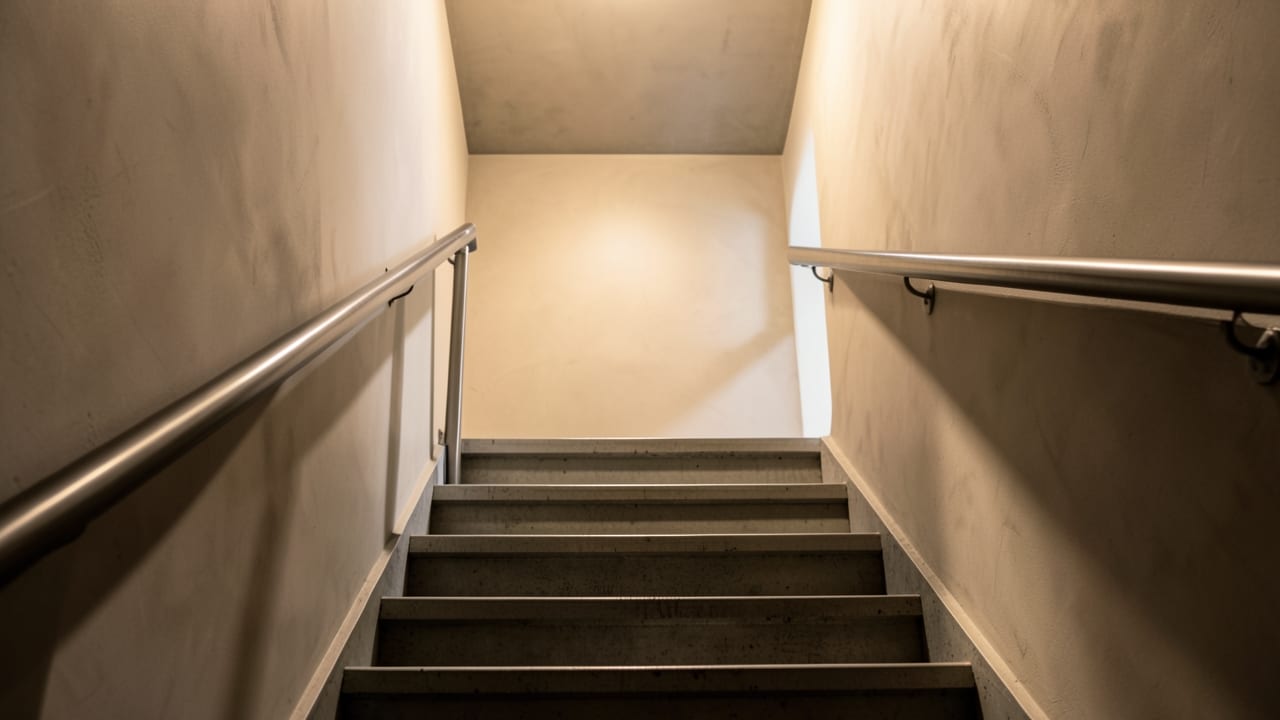
Stairwell Mold Remediation in Bridgewater, NJ
Professional mold removal and prevention in stairwells to restore safe, clean spaces.
Learn More
Balcony Mold Cleanup in Bridgewater, NJ
Professional removal and treatment of mold growth on balconies and adjacent structures.
Learn More
Pantry Mold Treatment in Bridgewater, NJ
Professional assessment and removal of mold in pantry areas to restore a safe, clean space.
Learn More
Hallway Mold Remediation in Bridgewater, NJ
Professional removal and treatment of mold growth in residential hallways.
Learn MoreCommon Questions About Mold Remediation in Bridgewater
Everything you need to know about mold remediation services in Bridgewater
How much does Stone Countertop Mold Removal typically cost in Bridgewater, NJ?
Why does Bridgewater, NJ's humidity make mold a bigger risk than in drier regions?
How does mold remediation actually prevent the problem from coming back?
Can mold growing inside HVAC ductwork spread to the rest of a home?
Does mold mean the same thing as mildew?
Does homeowners insurance typically cover mold remediation?
Need Mold Remediation in Bridgewater?
Connect with local providers in Bridgewater for a detailed quote.
⏰ We answer your call • Serving all of Bridgewater and surrounding areas