Understanding Mycotoxins: The Invisible Risk in Bridgewater Homes
Mycotoxins are the silent byproduct of hidden mold growth, often lurking in damp basements, attics, or behind walls in homes across our area. These toxic compounds can trigger chronic health issues long before you see or smell the mold itself. We’ve helped families in Bridgewater, Somerville, and Raritan uncover and address these risks safely and thoroughly.
What Are Mycotoxins and Why Should You Care?
Mycotoxins are poisonous substances produced by certain molds, including common indoor species like Stachybotrys (black mold), Aspergillus, and Penicillium. They’re not alive like mold spores but can persist in dust and air long after the mold is gone.
Exposure often happens through inhalation, skin contact, or ingestion of contaminated dust. In enclosed spaces—like a finished basement in Bound Brook or a poorly ventilated attic—these toxins can accumulate to harmful levels.
Common Mycotoxin-Producing Molds in New Jersey Homes
Stachybotrys chartarum, often called black mold, thrives on cellulose-rich materials like drywall and wood when moisture is present. It’s infamous for producing trichothecene mycotoxins, linked to severe respiratory and neurological symptoms.
Aspergillus species, frequently found in HVAC systems or water-damaged areas, release aflatoxins and ochratoxin A. These can suppress immune function and are particularly dangerous for those with compromised health.
Penicillium, often dismissed as harmless, can produce mycotoxins like patulin in damp crawl spaces or under sinks. Even small colonies in Branchburg homes can contribute to chronic sinusitis or fatigue.
| Mold Type | Common Mycotoxins | Typical Indoor Locations |
|---|---|---|
| Stachybotrys (Black Mold) | Trichothecenes, Atranones | Drywall, ceiling tiles, wood framing |
| Aspergillus | Aflatoxins, Ochratoxin A, Gliotoxin | HVAC ducts, carpet backing, insulation |
| Penicillium | Patulin, Citrinin | Crawl spaces, under flooring, wall cavities |
| Fusarium | Fumonisins, Deoxynivalenol | Water-damaged carpets, upholstery |
Health Effects of Mycotoxin Exposure
Acute exposure may cause headaches, dizziness, or skin irritation. But chronic, low-level exposure—common in homes with long-standing moisture issues—can lead to more serious conditions.
Respiratory problems like asthma, sinusitis, or hypersensitivity pneumonitis are frequent. Neurological symptoms, from brain fog to memory loss, are also reported, especially in sensitive individuals.
Children, the elderly, and those with autoimmune disorders are at higher risk. In Somerville and Raritan, we’ve seen cases where persistent coughs or rashes were traced back to hidden mycotoxin sources.
If you experience unexplained neurological symptoms, chronic fatigue, or worsening respiratory issues, consult a healthcare provider. Mycotoxin exposure can mimic other illnesses, so professional evaluation is critical.
Signs Your Home May Have a Mycotoxin Problem
Visible mold is an obvious red flag, but mycotoxins can be present even without it. Musty odors, especially in basements or attics, often indicate hidden growth.
Water stains on walls or ceilings, peeling paint, or warped flooring suggest past or ongoing moisture issues. In older homes near Bound Brook, we frequently find mold behind these damaged surfaces.
Unexplained health symptoms that improve when you’re away from home are a strong indicator. Pets may also show signs like excessive scratching or respiratory distress.
Hidden Mold Hotspots to Inspect
- Behind drywall in bathrooms or kitchens
- Under carpet padding, especially in basements
- Inside HVAC systems and ductwork
- Within wall cavities near plumbing leaks
- In attics with poor ventilation or roof leaks
- Crawl spaces with high humidity or standing water
Why Mycotoxins Persist After DIY Mold Cleanup
Bleach or surface cleaners may kill visible mold but often leave mycotoxins behind. These compounds are resilient and can remain in dust, fabrics, or porous materials.
Without proper containment, cleanup can aerosolize spores and mycotoxins, spreading contamination. We’ve seen well-intentioned homeowners in Bridgewater inadvertently worsen their indoor air quality this way.
Professional remediation uses HEPA filtration, negative air pressure, and specialized cleaning agents to remove both mold and its toxic byproducts. Air quality testing post-remediation confirms the space is safe.
Never use a regular vacuum on moldy areas—it can spread spores. If you suspect mycotoxins, isolate the area and contact a certified remediation team.
Local Conditions That Fuel Mycotoxin Risks
New Jersey’s humid summers and wet springs create ideal conditions for mold growth. Poorly maintained gutters or grading issues can direct water into basements, feeding colonies in Bridgewater and surrounding towns.
Older homes with solid masonry foundations or unfinished basements are especially vulnerable. Without proper vapor barriers or dehumidification, moisture lingers and mold thrives.
Even newer constructions aren’t immune. Improperly installed insulation or HVAC systems can trap moisture, leading to hidden growth in attics or wall cavities.
Professional Mycotoxin Remediation: What to Expect
Our process begins with a thorough mold inspection and air quality testing to identify the extent of contamination. We use moisture meters, thermal imaging, and lab analysis to pinpoint hidden sources.
Containment barriers and negative air machines prevent spores and mycotoxins from spreading during removal. All affected materials are safely discarded, and surfaces are cleaned with antimicrobial solutions.
Post-remediation verification includes a final air quality test to ensure mycotoxin levels are within safe ranges. We also provide recommendations for moisture control to prevent recurrence.
How to Reduce Mycotoxin Risks in Your Home
Proactive steps can minimize the conditions that allow mycotoxin-producing molds to grow.
- 1Control Indoor Humidity
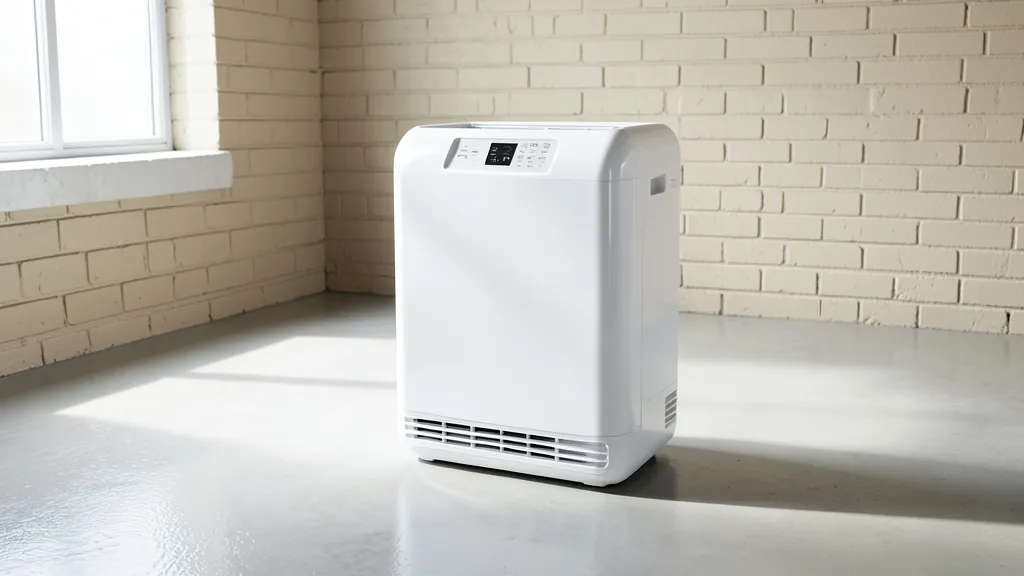
Use dehumidifiers in basements and crawl spaces to maintain humidity below 50%. In Bridgewater’s damp climate, this is one of the most effective preventative measures.
- 2Address Water Intrusion Promptly
Fix leaks in roofs, pipes, or windows within 24-48 hours. Even small amounts of moisture can lead to mold growth in as little as 48 hours.
- 3Improve Ventilation
Ensure bathrooms, kitchens, and laundry rooms are properly vented. Use exhaust fans and open windows when weather permits to reduce moisture buildup.
- 4Inspect and Maintain HVAC Systems
Have your HVAC system inspected annually for mold growth. Replace filters regularly and consider UV lights in ductwork to inhibit mold and bacteria.
- 5Use Mold-Resistant Materials
For renovations, opt for mold-resistant drywall, insulation, and paint, especially in moisture-prone areas like basements and bathrooms.
- 6Schedule Regular Mold Inspections
If your home has a history of water damage or musty odors, consider annual mold inspections and air quality testing to catch issues early.
Frequently Asked Questions
Can mycotoxins be completely removed from a home?
Yes, with professional remediation. We use specialized equipment and techniques to remove contaminated materials and clean surfaces thoroughly. Post-remediation testing confirms mycotoxin levels are safe. DIY methods often fall short, leaving behind residual toxins.
How do I know if my symptoms are from mycotoxins?
Mycotoxin exposure can cause a range of symptoms, from respiratory issues to fatigue and cognitive problems. If symptoms improve when you’re away from home, mycotoxins may be the culprit. A healthcare provider can help rule out other causes, and indoor air quality testing can identify contamination.
Are mycotoxins a problem in newer homes in Bridgewater?
Absolutely. While newer homes may have better moisture barriers, poor construction practices, leaks, or inadequate ventilation can still lead to mold growth. We’ve addressed mycotoxin issues in homes of all ages, including recently built properties in Somerville and Raritan.
What’s the difference between mold and mycotoxins?
Mold is a fungus that grows in damp environments and produces spores. Mycotoxins are toxic compounds released by certain molds as a byproduct of their growth. Not all molds produce mycotoxins, but those that do can pose serious health risks even after the mold itself is dead.
Can mycotoxins affect my pets?
Yes. Pets can be even more sensitive to mycotoxins than humans. Symptoms may include excessive scratching, respiratory distress, lethargy, or unexplained illnesses. If you suspect mycotoxin exposure, consult your veterinarian and have your home inspected.
Is testing for mycotoxins expensive?
The cost varies depending on the size of your home and the extent of testing required. Factors include the number of samples, type of lab analysis, and whether air, surface, or bulk samples are taken. For an accurate estimate, request a quote—this ensures you’re testing the right areas thoroughly.