Don’t Skip the Final Step: Post-Remediation Verification in Bridgewater
Mold remediation isn’t complete until you confirm the problem is gone for good. Post-remediation verification is the critical final step to ensure your Bridgewater home or business is safe, especially after our humid summers and wet springs. Without it, hidden spores can regroup, undoing all the work.
Why Post-Remediation Verification Is Non-Negotiable
Even the most thorough mold removal can miss microscopic spores lurking in wall cavities, ductwork, or subflooring. Verification catches what the naked eye can’t.
In New Jersey’s climate, residual moisture or poor ventilation can trigger rapid regrowth. Verification confirms the root cause—like a leaky pipe or poor attic airflow—was addressed, not just the visible mold.
For commercial properties in Somerville or Raritan, verification is often required by insurance or compliance standards. It’s not just best practice; it’s a liability safeguard.
What Post-Remediation Verification Actually Involves
An inspector performs visual, surface, and air sampling to compare spore counts against outdoor baselines.
We use moisture meters and thermal imaging to detect hidden water sources that could fuel future outbreaks. High humidity in basements or crawl spaces in Bound Brook or Branchburg is a red flag.
Clearance testing often includes ERMI or HERTSMI-2 DNA-based analysis for a deeper look at mold species. These tests identify toxic varieties like Stachybotrys or Chaetomium that require attention.
| Method | What It Checks | Best For |
|---|---|---|
| Air Sampling | Spore count in indoor air vs. outdoor control | General mold clearance |
| Surface Sampling | Mold presence on walls, floors, or contents | Visible mold confirmation |
| ERMI Testing | DNA analysis of 36+ mold species in dust | Toxic mold identification |
| Moisture Mapping | Hidden water in building materials | Leak detection & prevention |
| Thermal Imaging | Temperature variations indicating moisture | Wall/ceiling cavity inspections |
When to Schedule Verification After Remediation
Timing matters. Verification should occur after all remediation work is complete but before reconstruction begins. This ensures no cross-contamination during rebuilding.
For water damage cases in areas like Bridgewater or Bound Brook, wait 24–48 hours after drying to allow residual moisture to stabilize. Testing too soon can skew results.
If remediation involved HVAC cleaning, run the system for a day before testing to circulate any lingering spores. This reveals whether the ductwork was properly decontaminated.
Skipping verification before drywall or flooring goes back up can trap mold behind walls. Always test first—reopening finished spaces is costly and disruptive.
Red Flags That Mean Verification Failed
Elevated spore counts indoors compared to outdoors are the clearest sign of incomplete remediation. Even one toxic species at high levels means the job isn’t done.
Persistent musty odors often indicate hidden mold in areas like crawl spaces or behind insulation. Odors are a warning sign, not a confirmation of safety.
High moisture readings (above 15% in wood or 60% relative humidity) signal that conditions for regrowth still exist. Verification isn’t just about mold—it’s about the environment that supports it.
How Verification Differs for Residential vs. Commercial Properties
Residential verification often focuses on living spaces, attics, and basements. In Bridgewater homes, we prioritize areas prone to water intrusion, like finished basements or poorly ventilated bathrooms.
Commercial properties in Somerville or Raritan require larger-scale testing, including HVAC systems, drop ceilings, and shared walls. Tenant safety and compliance drive stricter protocols.
For schools or healthcare facilities, verification may involve additional air quality standards. These spaces demand zero tolerance for spores that could harm immune-compromised individuals.
Mold in one unit can spread through shared ventilation or plumbing. Verification must include adjacent units and common areas to prevent cross-contamination.
The Role of Moisture Control in Long-Term Success
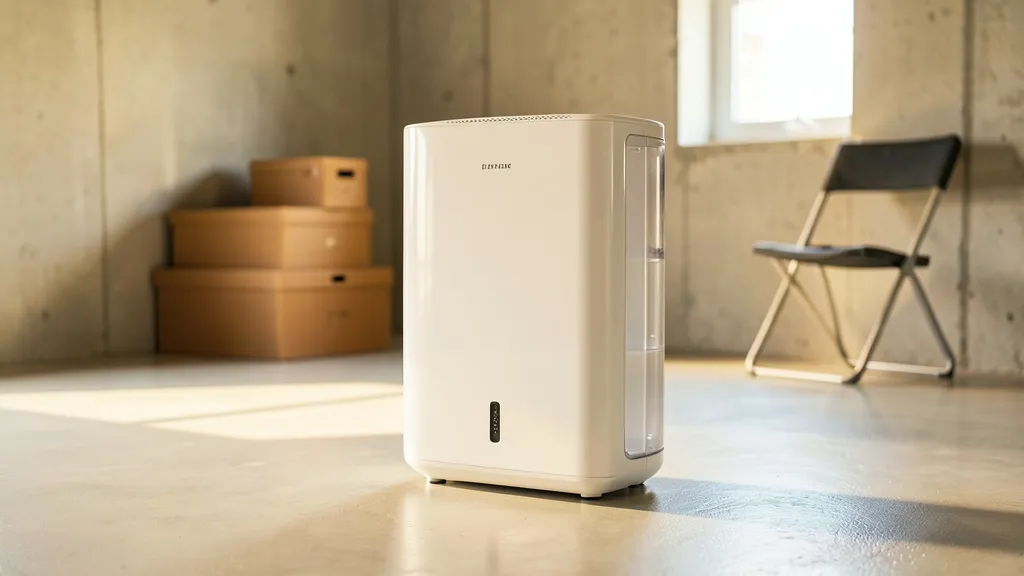
Verification isn’t just about confirming mold is gone—it’s about ensuring it won’t return. We assess dehumidifiers, vapor barriers, and drainage systems as part of the process.
In basements or crawl spaces, encapsulation or sump pump upgrades may be recommended. Bridgewater’s clay soil and high water table make these upgrades especially critical.
Attic ventilation is another common oversight. Poor airflow traps humidity, leading to mold on roof decking or insulation. Verification includes checking for proper ridge vents or soffit airflow.
Moisture Control Checklist for Post-Remediation
- Install or service dehumidifiers in basements/crawl spaces
- Inspect and seal foundation cracks to prevent water intrusion
- Ensure gutters and downspouts direct water at least 5 feet from the foundation
- Verify attic ventilation meets local building codes
- Check for condensation on windows or pipes (sign of high humidity)
- Test sump pumps and French drains annually
What Happens If Verification Fails?
Failing verification doesn’t mean starting over. It means targeting the specific areas or issues that still need attention. Often, it’s a moisture source or missed contamination in HVAC systems.
Our team re-tests after corrective actions. In Bridgewater, we’ve seen cases where a single overlooked pipe leak in a wall cavity caused a failed test—fixing it resolved the issue.
For persistent problems, we may recommend deeper diagnostics, like borescope inspections of wall cavities or lab analysis of dust samples. The goal is a pass, not a repeat bill.
How to Prepare for Post-Remediation Verification
A little prep ensures accurate results and a smoother process.
- 1Clear the Area
Remove all personal items, furniture, or stored boxes from the remediated space. This allows full access to walls, floors, and air vents.
- 2Avoid Cleaning
Don’t vacuum, dust, or use air fresheners for 24 hours before testing. This can mask mold spores or skew air samples.
- 3Run HVAC Normally
If your system was cleaned, operate it as usual for a day prior to testing to circulate any residual spores.
- 4Note Problem Areas
Point out any lingering odors, water stains, or areas of concern to the inspector. Local knowledge helps target testing.
- 5Secure Pets and Kids
Keep pets and children out of the testing zone. Some sampling methods require undisturbed air for accurate counts.
Frequently Asked Questions
Is post-remediation verification required by law in Bridgewater?
New Jersey doesn’t mandate it for residential properties, but it’s often required by insurance companies, real estate transactions, or commercial leases. For peace of mind, we always recommend it—especially after significant water damage or toxic mold removal.
How much does post-remediation verification cost?
Costs vary based on property size, the number of samples needed, and the type of testing (e.g., air vs. ERMI). Factors like crawl space access or HVAC system complexity also play a role. Request a quote for an accurate estimate tailored to your Bridgewater property.
Can I do my own mold testing after remediation?
DIY test kits are available, but they lack the precision and chain-of-custody required for professional clearance. False negatives or positives are common without proper training. For verification, an inspector’s report carries weight with insurers and realtors.
What if mold returns after passing verification?
If mold reappears, it’s usually due to a new water intrusion or unresolved moisture issue—not the remediation itself. Our verification includes a moisture assessment to minimize this risk, but we offer follow-up inspections if problems persist.
Does verification include fixing new issues found?
No, verification is purely diagnostic. If the test reveals unresolved mold or moisture problems, we’ll provide a detailed report and can arrange for additional remediation or moisture control services as needed.
How long does the verification process take in a typical Bridgewater home?
On-site testing usually takes 1–2 hours for a standard home. Lab analysis adds 24–48 hours for results. Larger or commercial properties in areas like Raritan or Branchburg may require more time and samples.