The Hidden Health Effects of Improper Mold Cleanup in Bridgewater
DIY mold cleanup often does more harm than good. Without proper containment and removal, disturbed spores spread, worsening indoor air quality and triggering chronic health issues. Our team sees this firsthand in homes across Bridgewater and nearby Somerville or Raritan.
Why DIY Mold Removal Backfires
Bleach and scrubbing only kill surface mold, leaving roots (hyphae) intact. Spores released during cleaning quickly recolonize, especially in humid basements or crawl spaces common in our area.
Improper cleanup stirs up mycotoxins, which can linger in dust and HVAC systems. Without HEPA filtration and negative air pressure, these particles disperse throughout the home.
Disturbing mold without containment can trigger asthma attacks, allergic reactions, or long-term lung damage. Vulnerable groups include children, the elderly, and immunocompromised individuals.
The Most Dangerous Mold Types in New Jersey Homes
Stachybotrys (black mold) thrives on cellulose like drywall and insulation, often after water damage. It’s notorious for producing mycotoxins linked to neurological symptoms and respiratory distress.
Aspergillus and Penicillium are common in damp basements or attics. While less sensational, they can cause chronic sinusitis and weakened immune responses with prolonged exposure.
| Mold Type | Common Locations | Health Effects |
|---|---|---|
| Stachybotrys | Drywall, insulation, water-damaged wood | Respiratory bleeding, headaches, memory loss |
| Aspergillus | Basements, HVAC systems, decaying leaves | Allergic reactions, lung infections, asthma |
| Penicillium | Carpets, wallpaper, insulation | Sinusitis, inflammation, chronic fatigue |
| Cladosporium | Carpets, upholstery, window frames | Skin rashes, eye irritation, throat soreness |
How Mold Spores Spread During Poor Cleanup
Aggressive scrubbing or using a regular vacuum releases spores into the air. Without containment, they settle in carpets, ductwork, or even migrate to neighboring rooms in Branchburg or Bound Brook homes.
HVAC systems act like superhighways for spores. If mold is disturbed near vents, it can contaminate the entire house within hours. That’s why professional remediation always includes HVAC inspection.
Long-Term Health Consequences of Exposure
Chronic exposure doesn’t just cause allergies. Mycotoxins can suppress the immune system, making you more susceptible to infections and slowing recovery from illnesses.
Studies link prolonged mold exposure to cognitive issues, joint pain, and even depression. These symptoms often go misdiagnosed because they mimic other conditions like chronic fatigue syndrome.
Many Bridgewater residents mistake mold-related symptoms for seasonal allergies or stress. If symptoms persist indoors but improve outdoors, mold could be the culprit.
The Role of Moisture in Mold Recurrence
Mold is a symptom of a moisture problem. Without fixing leaks, poor ventilation, or high humidity (common in NJ summers), mold will return—often worse than before.
Crawl spaces and basements are hotspots. In older homes around Somerville or Raritan, inadequate drainage or vapor barriers create perfect conditions for regrowth after cleanup.
Moisture Control Must-Dos
- Fix plumbing leaks and roof gaps immediately
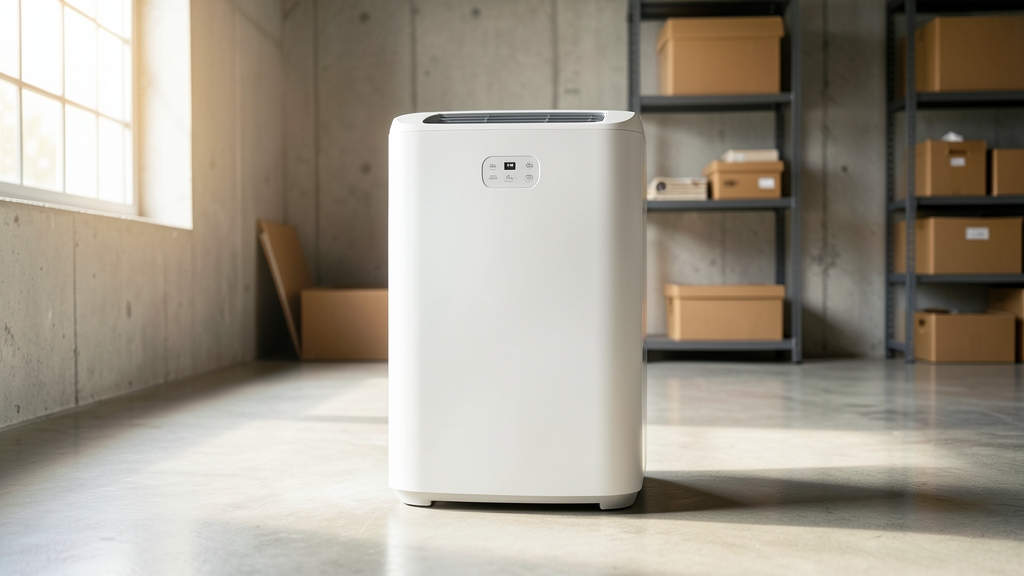
- Use dehumidifiers in basements and crawl spaces (keep humidity below 50%)
- Ensure proper grading around the foundation to divert water
- Install vapor barriers in crawl spaces
- Improve ventilation in bathrooms, kitchens, and attics
Professional Remediation vs. DIY: What’s the Difference?
We use industrial-grade HEPA air scrubbers to capture spores mid-air during removal. DIY methods can’t match this level of filtration, leaving your home vulnerable to reinfestation.
Containment barriers isolate the work area, preventing cross-contamination. This is critical in multi-story homes or shared buildings in areas like Bound Brook.
| Factor | DIY Approach | Professional Approach |
|---|---|---|
| Containment | None or plastic sheeting (often ineffective) | Negative air pressure + sealed barriers |
| Spores Removal | Surface cleaning (spores remain airborne) | HEPA vacuuming + air scrubbing |
| Moisture Source | Often overlooked | Identified and fixed as part of the process |
| Safety Gear | Basic masks/gloves (inadequate) | Full PPE, respirators, and disposable suits |
| Long-Term Prevention | Unlikely without expertise | Custom moisture control plans |
When to Call a Mold Remediation Expert
If mold covers more than 10 square feet, or if it’s in your HVAC system, professional help is non-negotiable. The same goes for mold in hard-to-reach areas like attics or inside walls.
Recurring mold after cleanup is a red flag. It means the root moisture issue wasn’t addressed. Our team often finds hidden leaks in Bridgewater homes that homeowners missed.
How to Safely Inspect for Hidden Mold Before It Spreads
Early detection can prevent costly remediation and health issues.
- 1Check for Musty Odors
Mold often has a distinct earthy, damp smell. If you notice it in a specific area, investigate further—even if you don’t see visible growth.
- 2Look for Water Stains
Discoloration on ceilings, walls, or floors indicates past or current moisture issues. These are prime spots for hidden mold.
- 3Inspect High-Risk Areas
Focus on basements, crawl spaces, attics, and around windows. In NJ’s humid climate, these areas are mold magnets.
- 4Use a Moisture Meter
A reading above 15% in wood or drywall signals excess moisture. These affordable tools are available at hardware stores.
- 5Avoid Disturbing Suspected Mold
If you find mold, don’t touch or scrub it. Disturbing it can release spores. Instead, isolate the area and call a professional for testing.
- 6Monitor for Health Symptoms
Track if allergies, headaches, or respiratory issues worsen at home but improve when you’re away. This pattern is a strong indicator of indoor mold exposure.
Frequently Asked Questions
Can I stay in my Bridgewater home during mold remediation?
It depends on the extent of the infestation. For small, contained areas, you may stay with proper containment. For large or toxic mold (like Stachybotrys), temporary relocation is safer. Our team will advise based on the assessment.
How long does professional mold remediation take?
Most residential projects take 1–5 days, depending on the size and severity. Commercial properties or homes with extensive water damage may require longer. Drying time after moisture control measures can add a few days.
Is mold testing necessary before remediation?
Testing isn’t always required if mold is visible, but it’s critical for hidden mold or to identify specific species. Air quality testing helps confirm the scope of contamination, especially in multi-unit buildings near Somerville or Branchburg.
Will my homeowners insurance cover mold remediation?
Coverage varies. Most policies exclude mold unless it’s a direct result of a covered peril (e.g., a burst pipe). Document the cause and work with your insurer. We provide detailed reports to support claims.
What’s the difference between mold removal and mold remediation?
Removal refers to eliminating mold from surfaces, while remediation addresses the root cause (moisture) and prevents recurrence. True remediation includes containment, cleaning, and moisture control—critical for long-term solutions in NJ’s climate.
How can I prevent mold after water damage in my basement?
Act fast: extract standing water within 24–48 hours, use fans and dehumidifiers, and remove damaged materials. For severe cases, consider professional water damage restoration followed by mold-resistant treatments and vapor barriers.